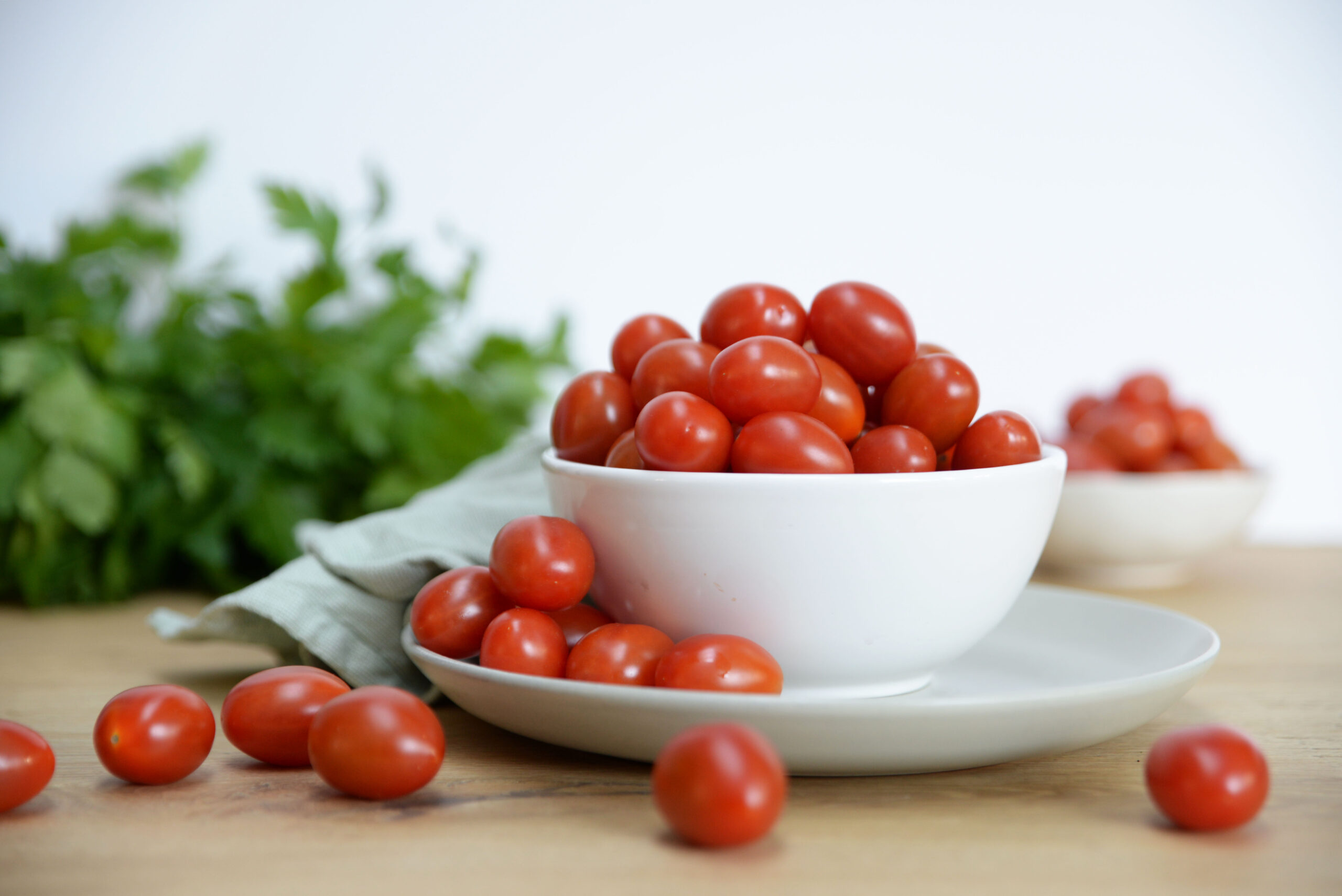
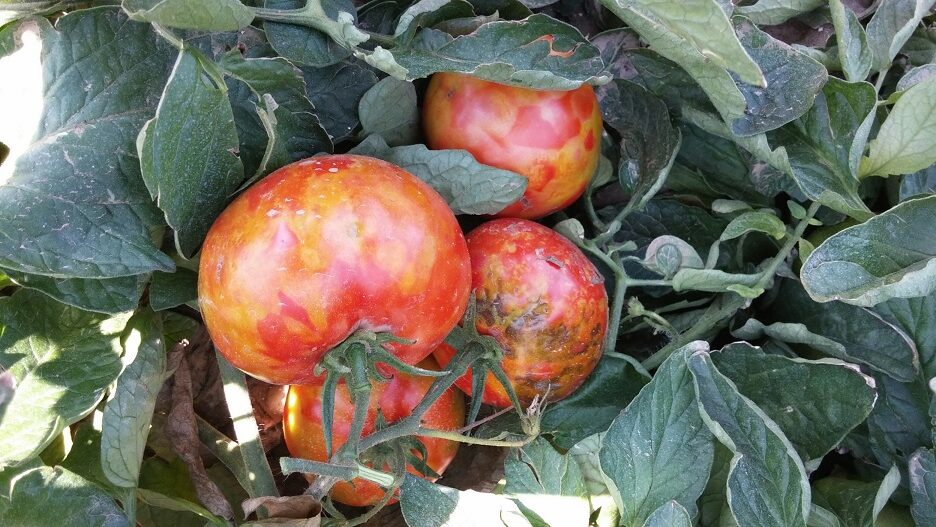
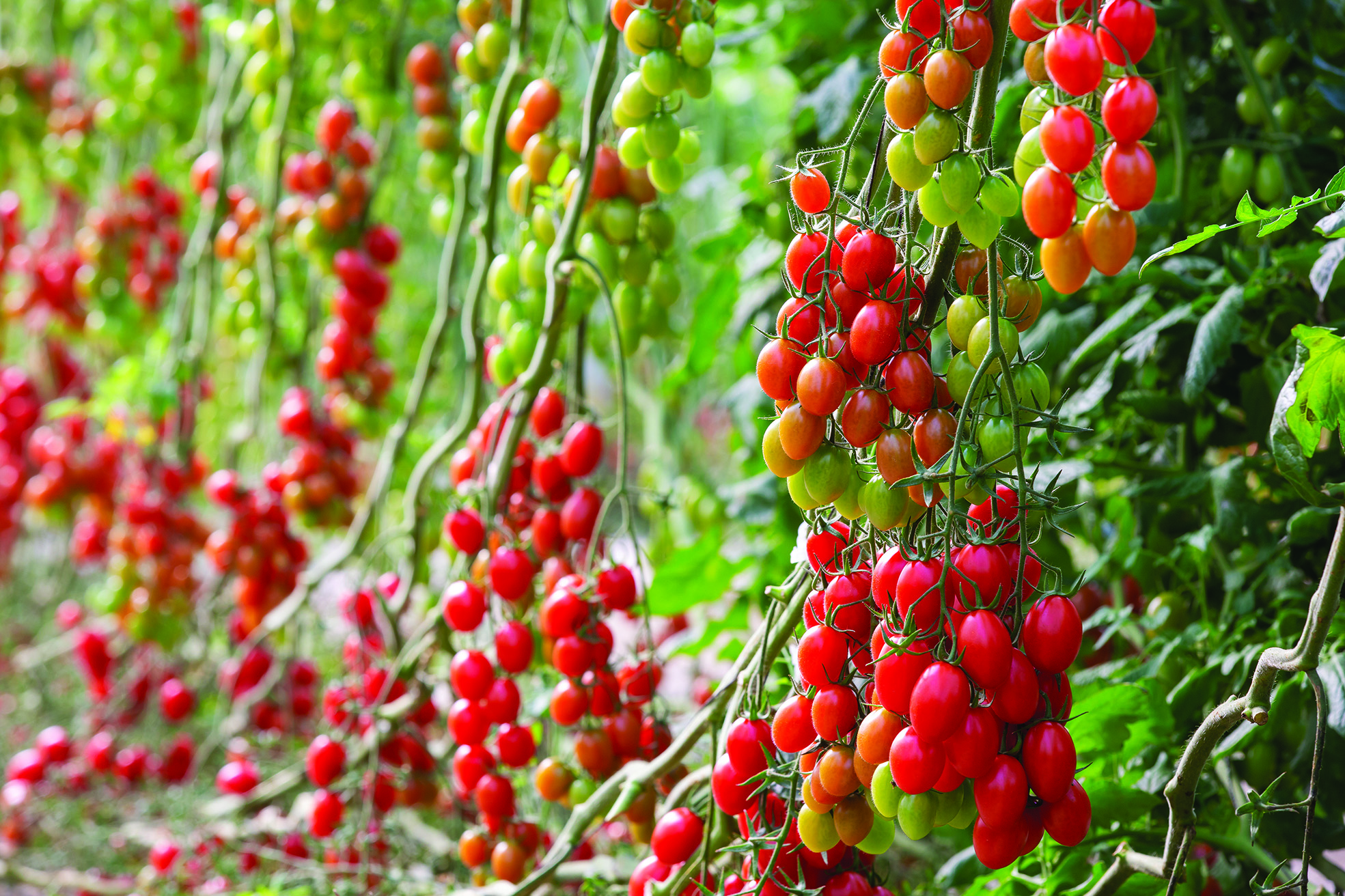
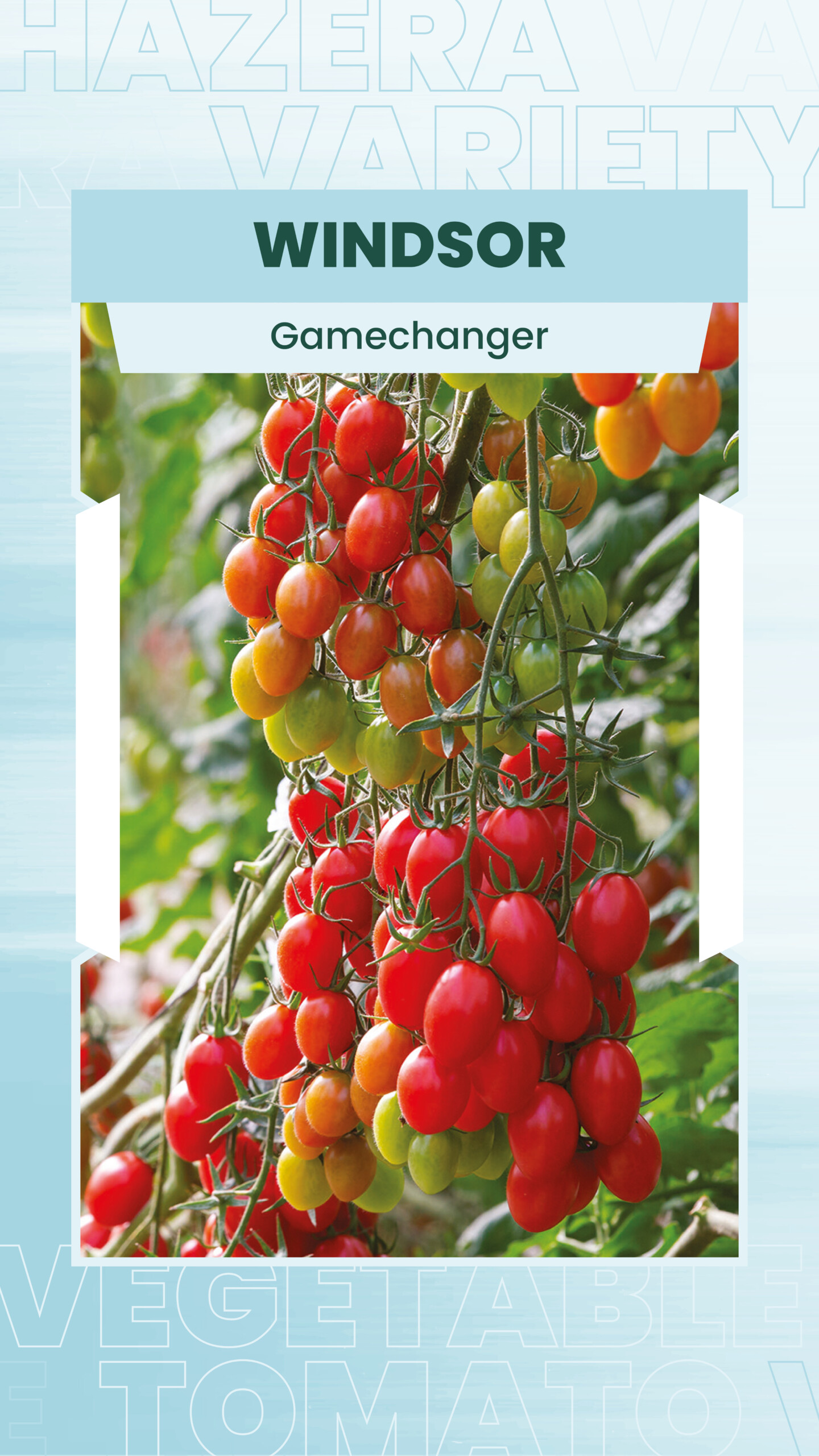
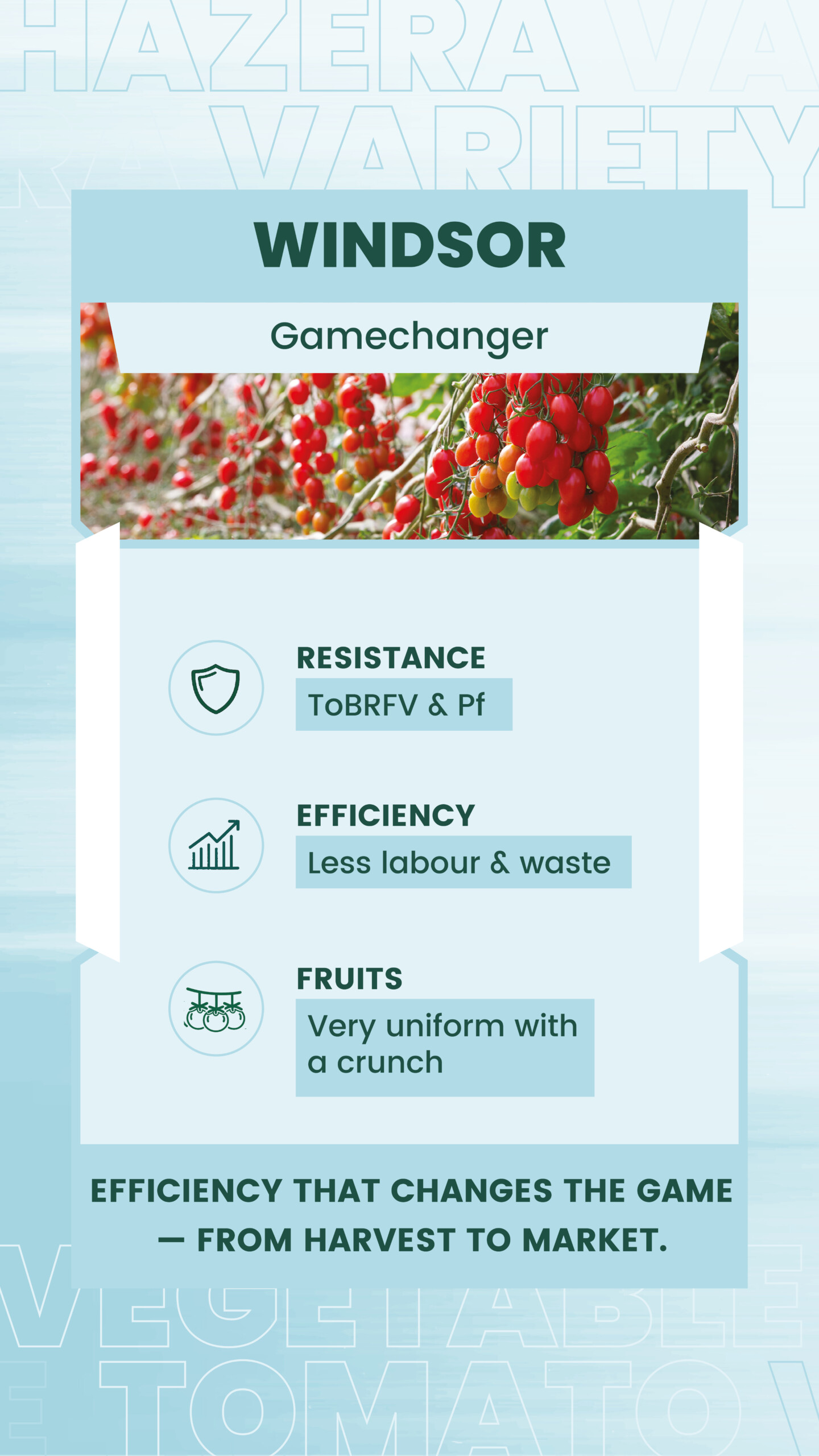
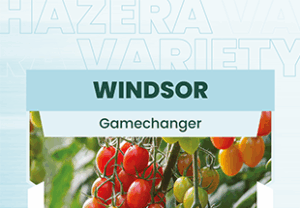
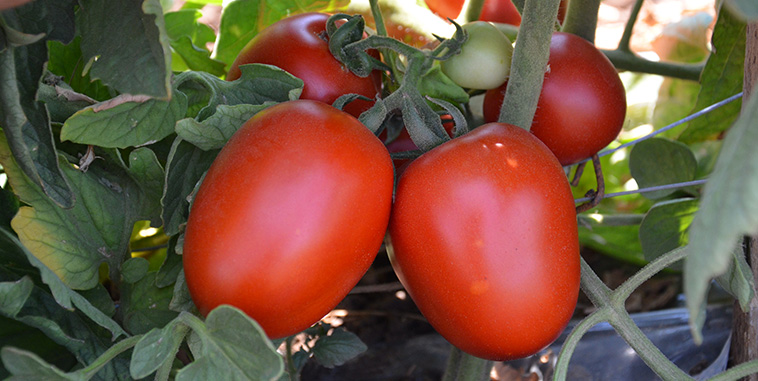
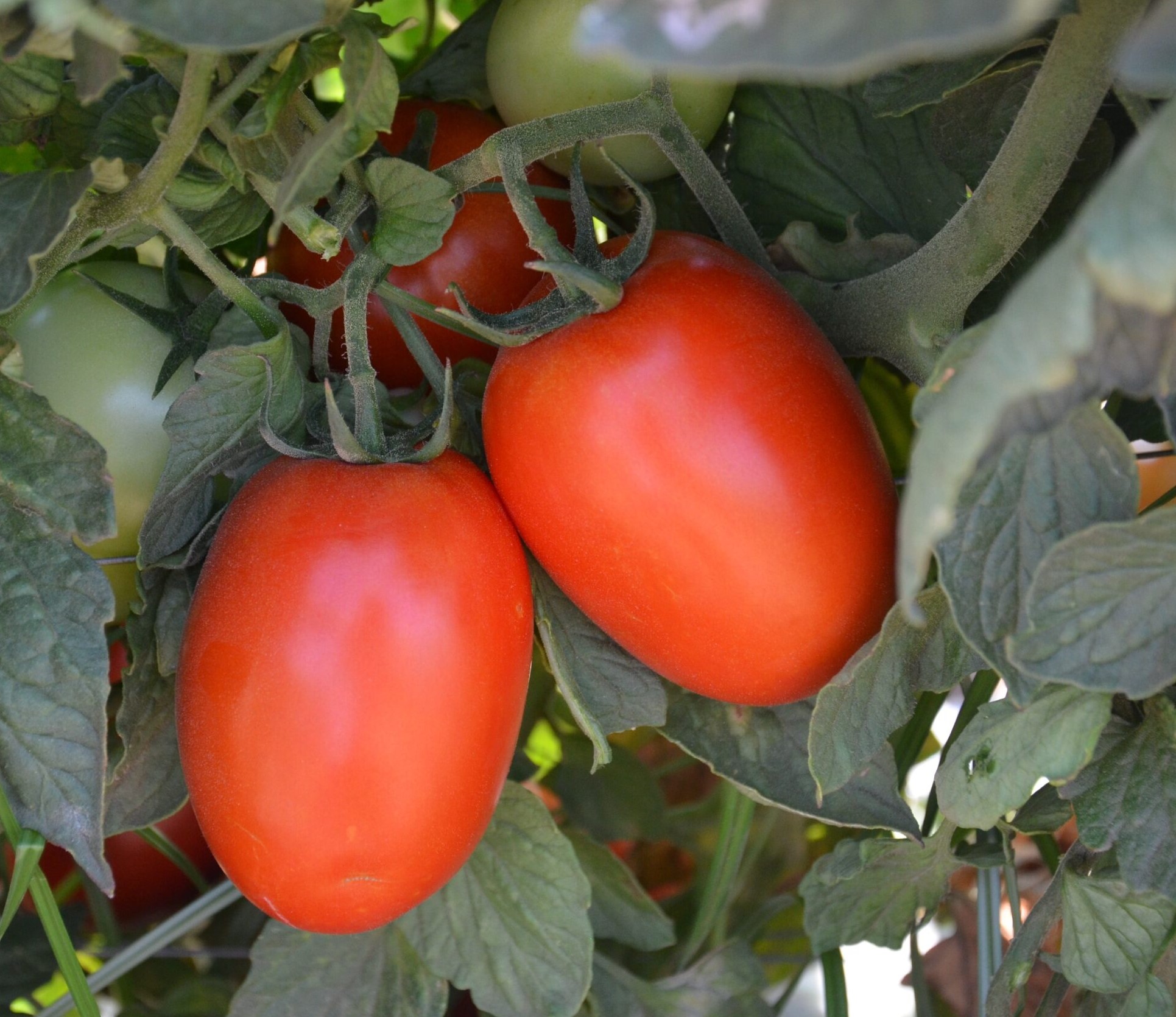
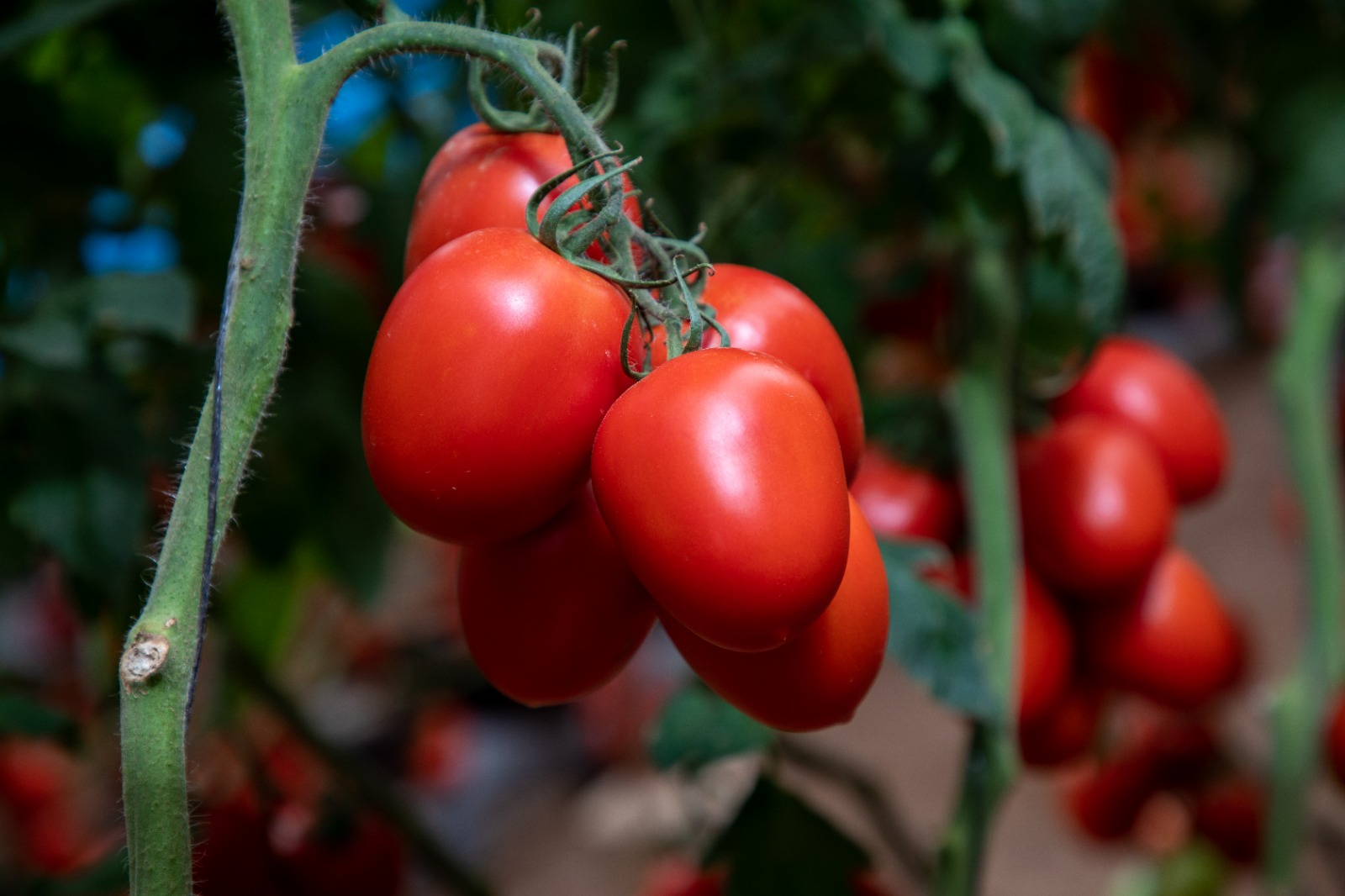
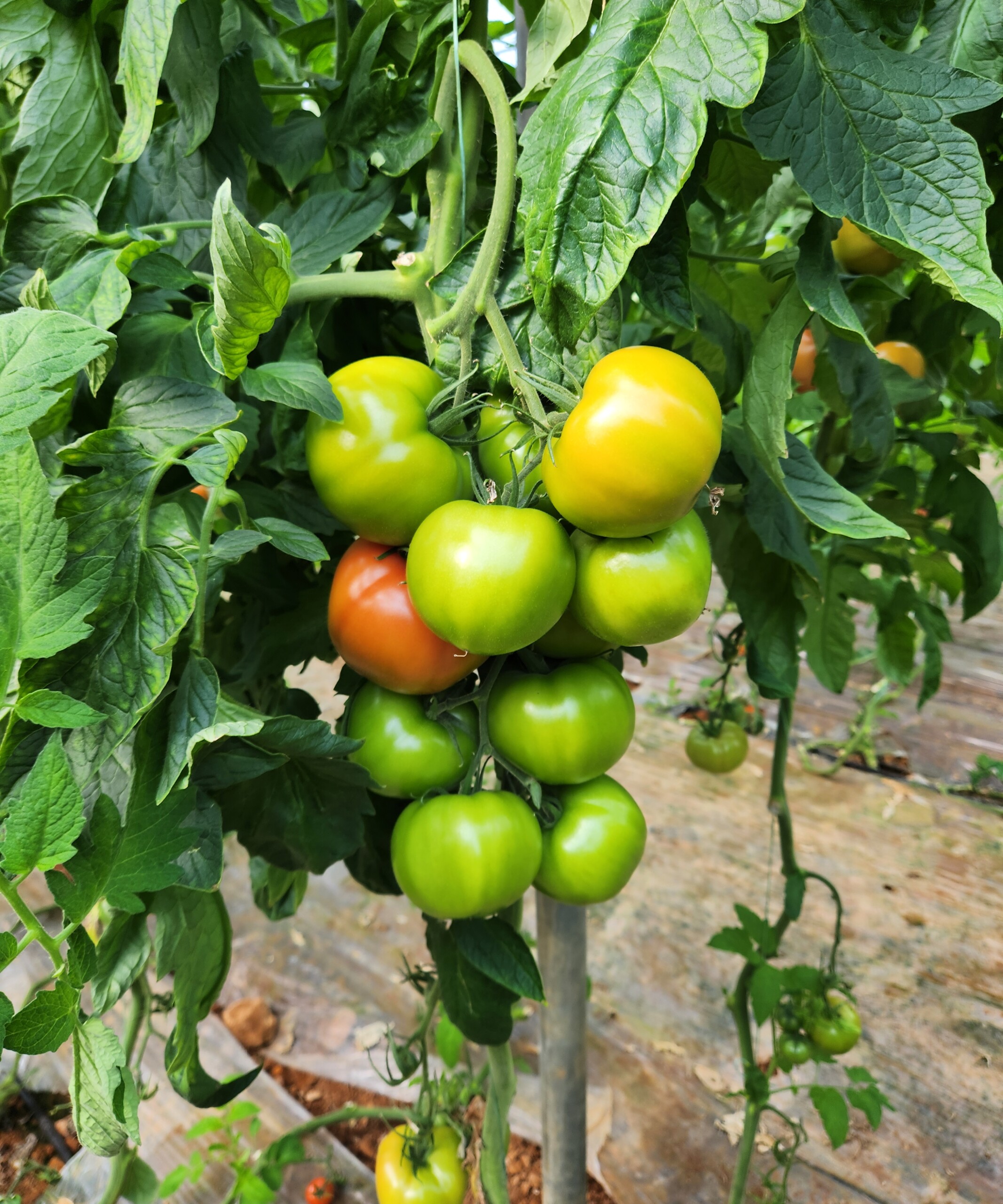
WINDSOR is a mini plum tomato bred to change the rules of modern tomato production. Combining labour-saving characteristics, reduced food waste, and resistance to ToBRFV and Pf, WINDSOR addresses some of the most pressing challenges growers face today.
With its uniform fruit size, WINDSOR is easy to manage throughout cultivation, harvest, and packing. This results in fewer handling steps, reduced labour input and a more efficient production flow. It also maintains outstanding crunchiness well after harvest.
WINDSOR’s strong fruit quality supports a reduction in food waste across the supply chain. Consistent mini plum fruits and reliable resistance help maintain quality from the greenhouse to the market, minimising losses and improving overall sustainability.
With its combination of efficiency, resistance and waste reduction, WINDSOR stands out as a true Gamechanger in the mini plum segment.
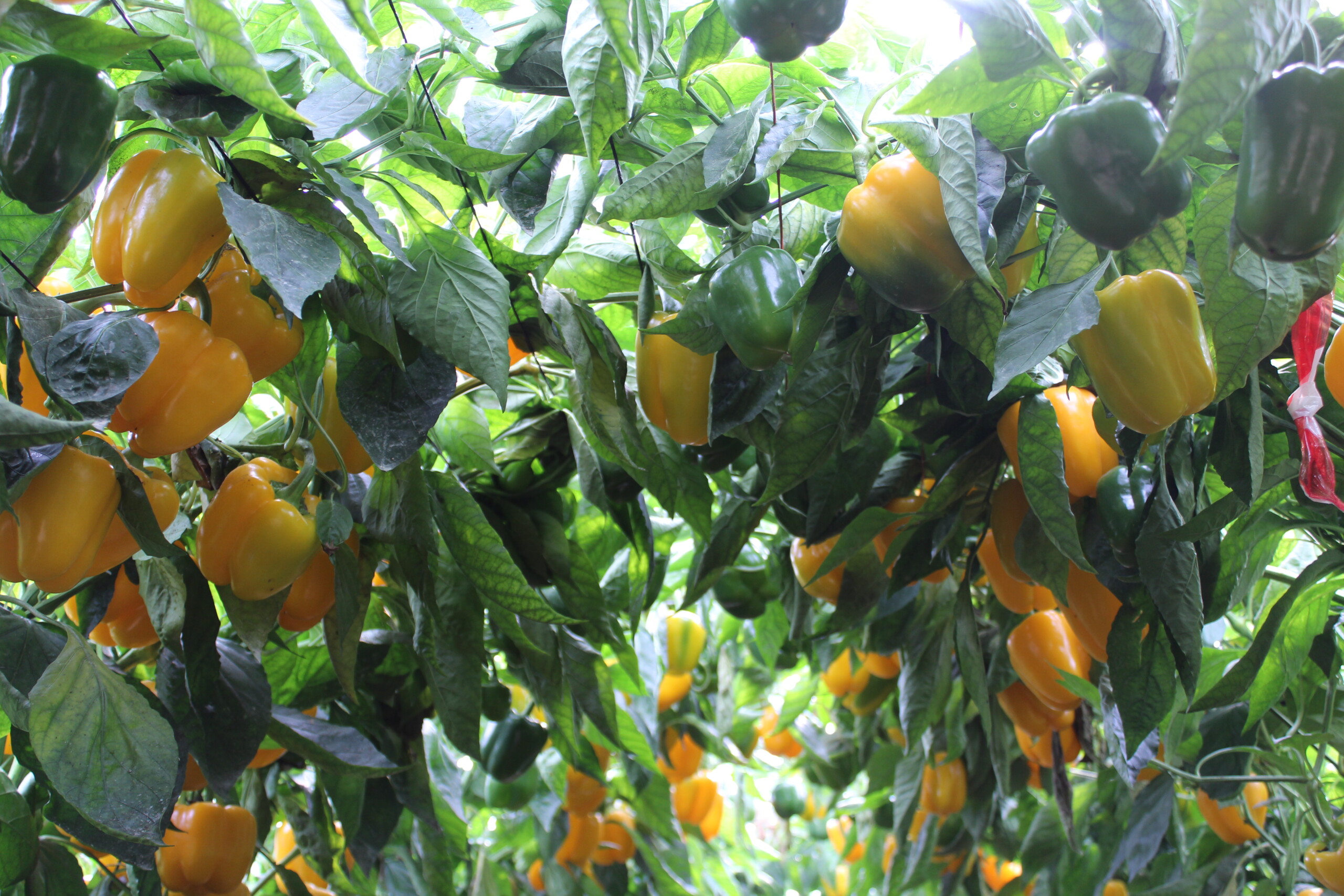
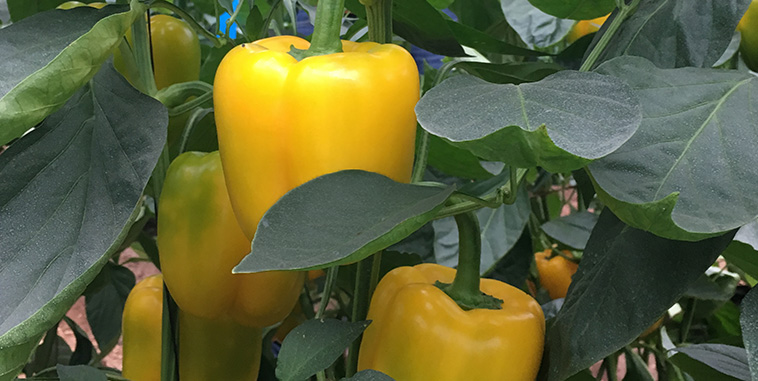
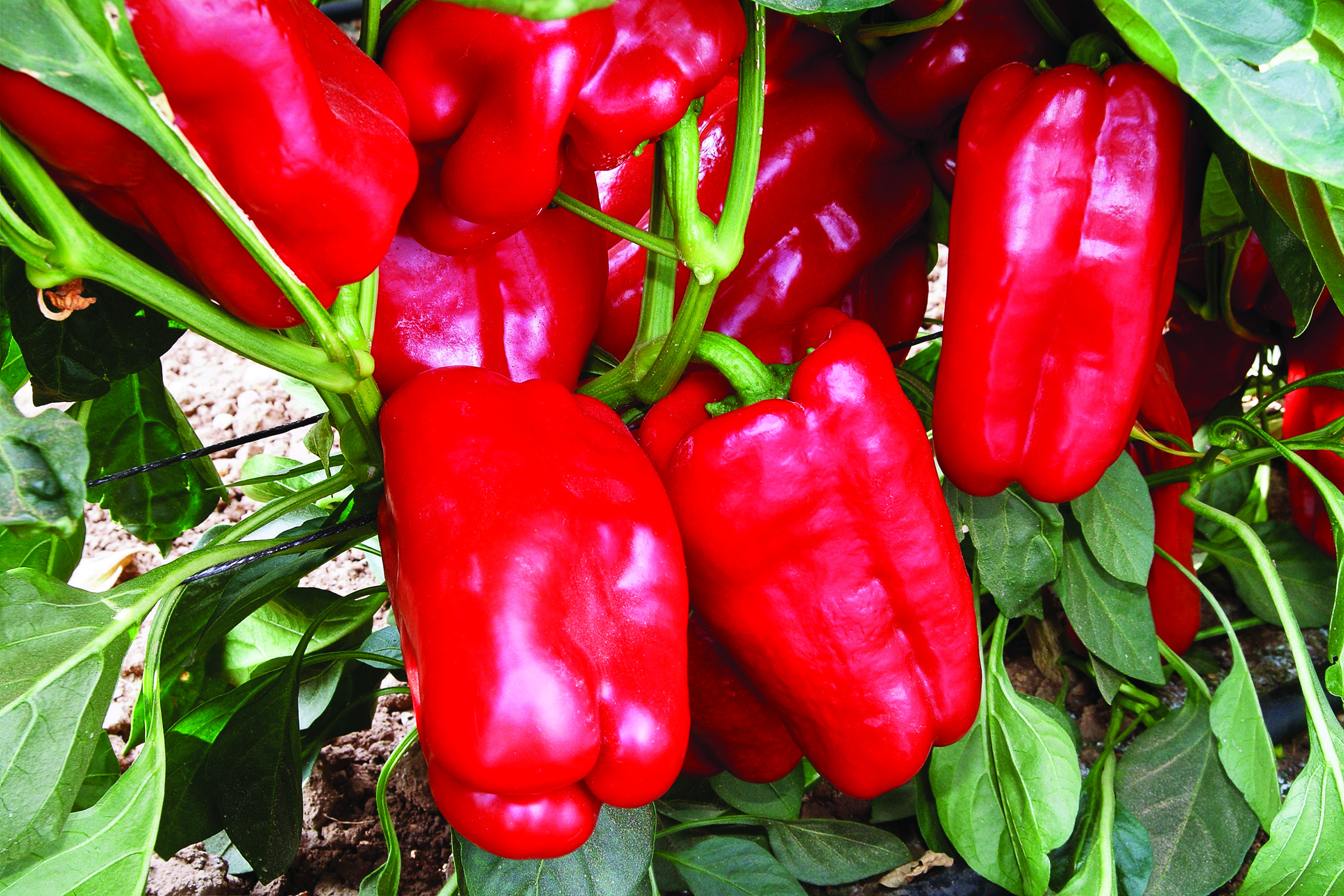
Spanish growers have long sought a pepper that combines vibrant color with an ideal fruit size, especially suited for the popular Flow Pack packaging format demanded by markets like the United Kingdom.
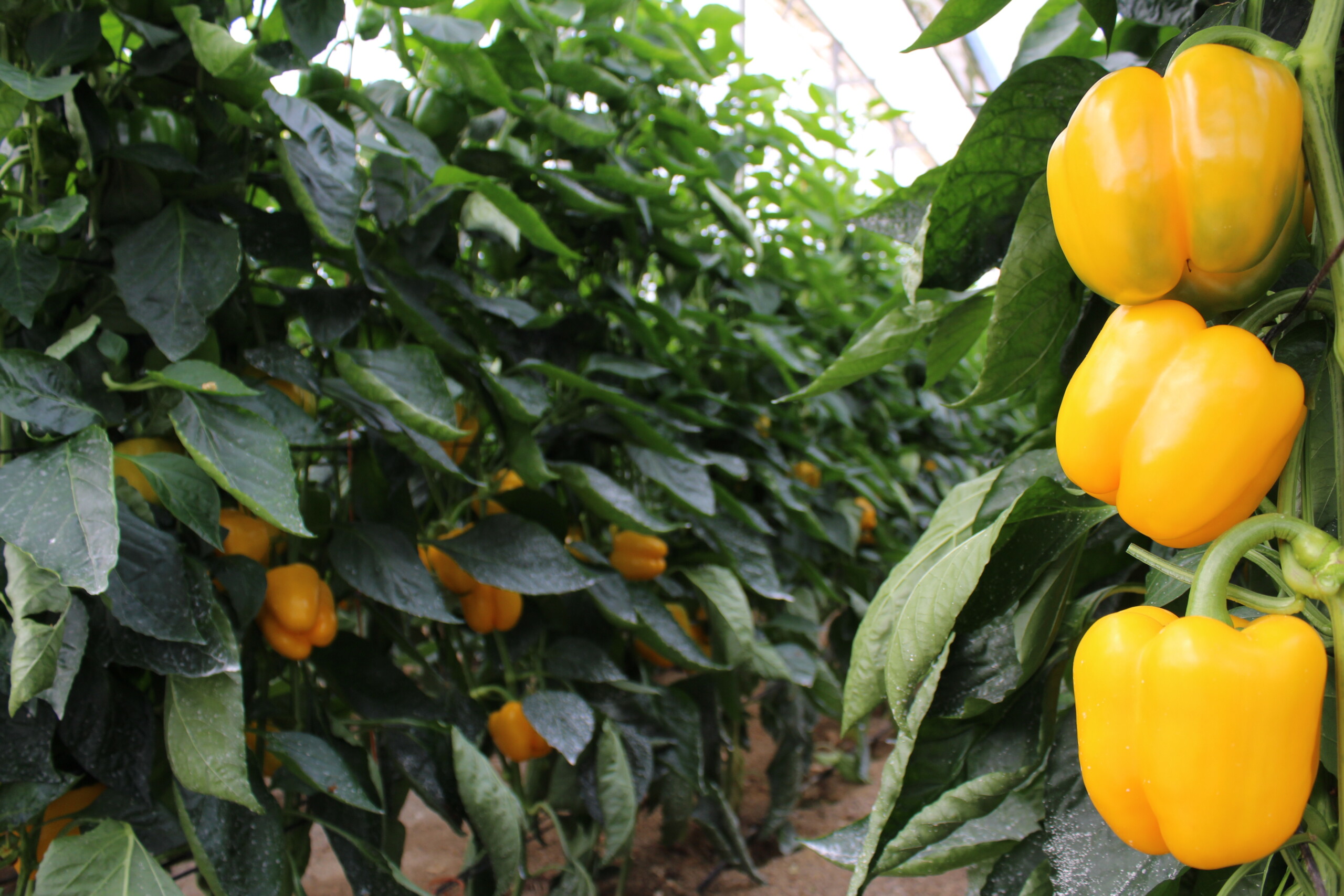
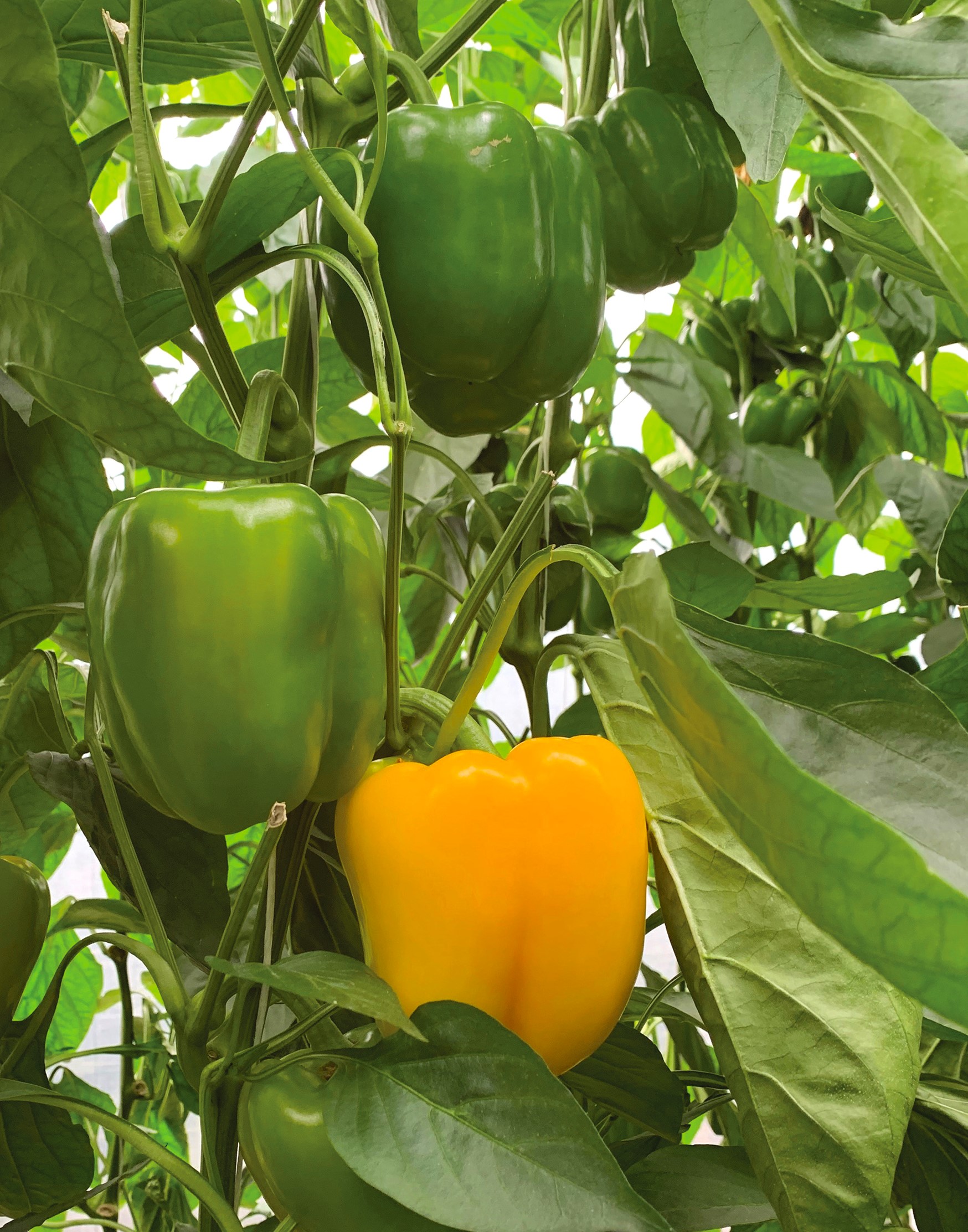
Hazera developed Insignia, a standout yellow blocky pepper, with exactly these needs in mind, bringing a high-quality option that meets market standards and consumer expectations. Insignia was introduced six years ago to the Spanish market and is cultivated specifically for greenhouse environments.
Insignia is more than just an attractive yellow pepper. It has been a game-changer in sustainable farming practices. As one of the first yellow pepper varieties to offer Lt resistance, Insignia allows growers to cultivate under reduced treatment conditions, helping to reduce chemical dependency.
As a global leader in the seed industry, Hazera knows that success starts with trust. Initially, some growers were hesitant to embrace the reduced treatment approach, even with Insignia’s disease resistance. Demonstrating our dedication, we worked side-by-side with growers, sharing expertise and crop management tips to help them overcome their concerns.
Jose Manuel López Vargas, a grower from Almeria who has been cultivating Insignia since its debut, stated: “Insignia is a high-yield variety, giving me confidence year after year. I plan to continue growing it in the years to come.”
Today, Insignia is the leader for early-season production in Spain, with nearly 50% of the market share. Its adaptability has also been proven in successful trials in Poland, reflecting Hazera’s ability to combine global innovation with local expertise. This variety enables growers to achieve high yields and provide fresh, nutritious produce to northern Europe during the winter months—a testament to our belief that the fruits of our labor strengthen people and communities worldwide.
As a testimony to Insignia’s success, when the cooperative MABE in Almeria conducted a thorough evaluation of the variety, their quality control manager, Jesús Alvarez, said: “This variety meets all our requirements, enabling us to provide our customers with a Flow Pack program of great quality, featuring vibrant yellow color, size, and consistency.”
Looking ahead, Insignia is expected to maintain its leadership position, backed by Hazera’s ongoing commitment to innovation. New hybrids are in development to reinforce our dedication to offering resilient, high-performance varieties. At Hazera, we remain focused on creating seeds that empower growers, enrich communities, and contribute to a healthier, sustainable future.
Would you like to learn more about Insignia? Don’t hesitate to contact us.
Galilea Tomato: The Untold Story Behind Its Global Success
Posted on May 15, 2025
The Hazera Tomato team was taken by surprise when their determinate open field variety, Galilea, became a long-standing blockbuster. It is because Hazera was traditionally known for its indeterminate greenhouse varieties and globally grown round tomatoes.
Launched 15 years ago in Mexico, Galilea significantly impacted global tomato cultivation with its large fruits and robust plants, allowing for high yields and quality previously unseen in open field tomato productions.
Building on Galilea’s success in Mexico, the tomato team took a leap of faith and introduced Galilea in different parts of the world, where with its properties, Galilea overshadowed local varieties. Let’s have a look at some success highlights:
In California, Galilea is cultivated as a bush or staked and is sold in many American retail stores.
In the Ethiopian market, Galilea had such a successful launch that it became synonymous with quality tomatoes. The firmness and low juice content of the fruit made Galilea ideal for transportation, a critical factor for local farmers and traders.
Galilea revolutionized Turkey’s summer tomato market. Initially, the Turkish market was characterized by low quality varieties, but it became evident that growers who had experience with Galilea were willing to invest more in its quality seeds as they were able to charge a premium price for the produce.
“From the beginning Galilea gave us the feeling that it was going to be a blockbuster variety. We recognized that customers were coming to us instead of us having to go to them. We didn’t need to invest heavily in marketing or promotion because the variety spoke for itself.” ~ The marketing team.
Despite its success, Galilea faced challenges in certain regions due to emerging fungi and viruses. This recognition led to investing the expertise and efforts of our R&D team into finding solutions to these challenges. Our R&D and team of breeders developed several new commercial hybrids resulting in the birth of the “Galilea family,” which fights against Fusarium 3 fungus, Powdery Mildew, and TY virus. All while preserving the superior genetics and fruit qualities of Galilea and keeping its position as a versatile choice for growers.
“Galilea is the variety that made Hazera one of the leaders in the world’s open field tomato segment.” ~ Ezri Peleg, Global Breeding Lead for Tomatoes.
Adding on its success, in 2020, Galilea achieved a remarkable milestone by recording the highest sales for a single variety and by being sold in almost 40 countries. This achievement underscored Galilea’s status as the leading tomato variety in sales, bringing pride and a sense of accomplishment to everyone involved in its development and cultivation.
Galilea’s success story is a testament to the power of targeted breeding programs and the adaptability to diverse agricultural challenges. Its high yield, exceptional quality, and robust resistance to various diseases have set new standards in tomato cultivation globally, ensuring its continued dominance and popularity in the market.
Would you like to learn more about Galilea? Don’t hesitate to contact us.
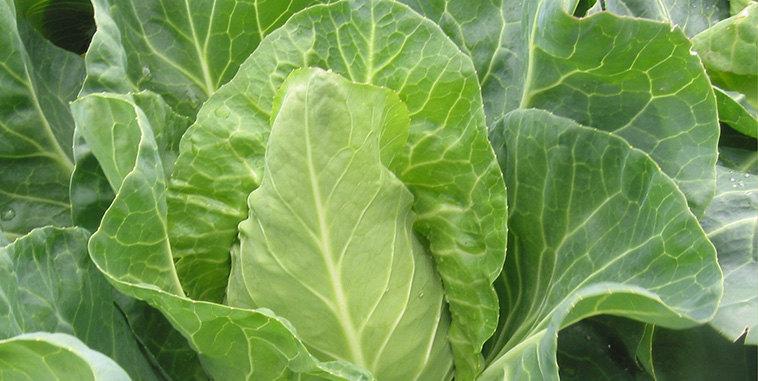
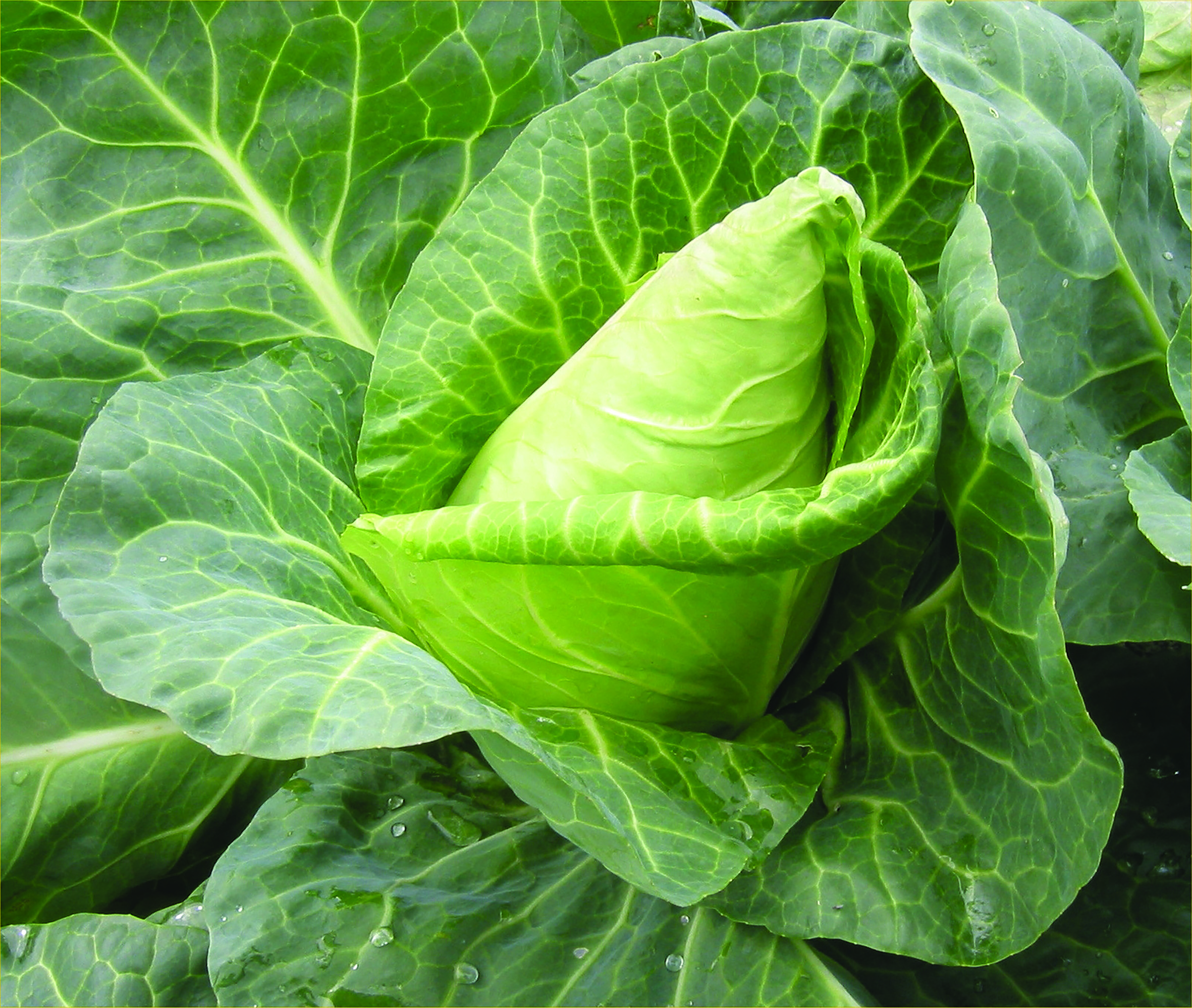
Happy 30th birthday, Marshal! You are the pointed cabbage that has conquered the market with your fresh taste and quality.
At Hazera, everything is driven by our passion for innovation and our commitment to growers. We develop vegetable varieties that nourish communities and contribute to a strong and sustainable food system. The journey of Marshal, our groundbreaking pointed cabbage, is a testament to this dedication.
It all started with Duchy, the first pointed cabbage to make a significant impact in Western Europe. Developed in the 1980s, Duchy won the hearts of growers and consumers with its unique shape and natural sweetness, earning it the popular name “sweetheart cabbage.”
Growers saw the potential to extend Duchy’s availability and began storing it in cold storage, which extended the season by six weeks. This led to the need for a variety with even better storage qualities—one that would maintain its quality over a longer period. That’s when Marshal came into the picture.
Marshal was specifically developed to redefine the standard of storability. Unlike other varieties, Marshal retains its premium quality even after long storage. It has fewer yellow leaves, a firmer texture, and no black pepper spots. This breakthrough led to the creation of a new market segment: pointed cabbage designed for longer storage without compromising freshness or taste.
Our partners in the Netherlands contributed to Marshal’s success by using Controlled Atmosphere storage, where oxygen in the storage room is limited, and flowpacking techniques, which further extend its shelf life. Thanks to these innovations, Marshal became the retailer’s top choice, appreciated for both its consistency and quality.
“Marshal excels after Controlled Atmosphere storage; the lack of deterioration after opening the storage room is exceptional. Unlike other varieties that may show signs of wilting, yellowing, or loss of structure, Marshal maintains its fresh appearance, firm texture, and sweet taste, even after prolonged storage.” – Maarten Danenberg, Product Manager Cabbage and Brussels Sprouts.
Duchy laid the foundation, and Marshal has strengthened Hazera’s position in the pointed cabbage market. With the addition of Earl and Baron—varieties with improved plant health and better field performance—our portfolio continues to grow, offering tailored solutions for various markets.
Would you like to learn more about Marshal? Contact us!
Roaring Success: Onza, a Mini seedless Watermelon with a Big Impact
Posted on Mar 12, 2025
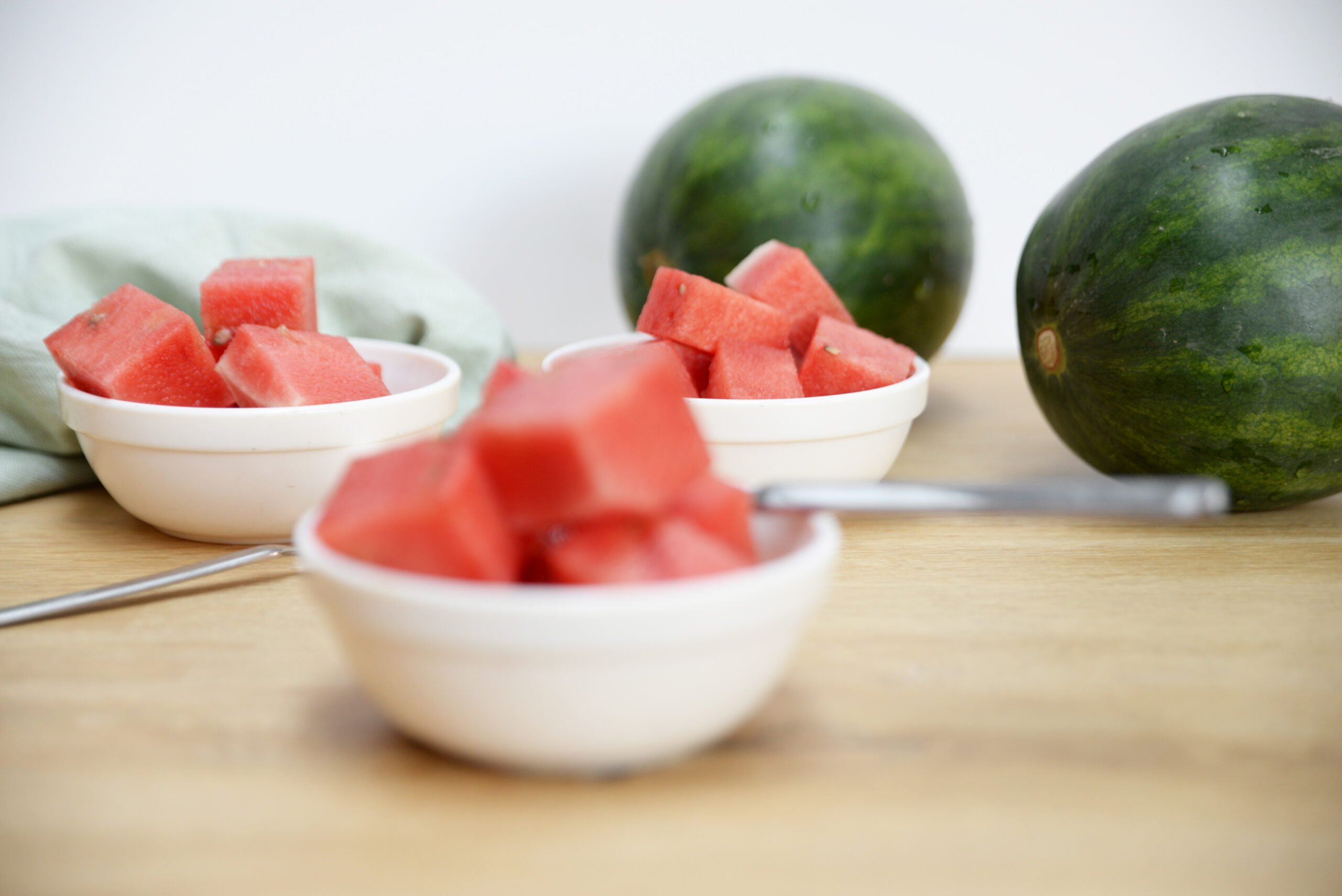
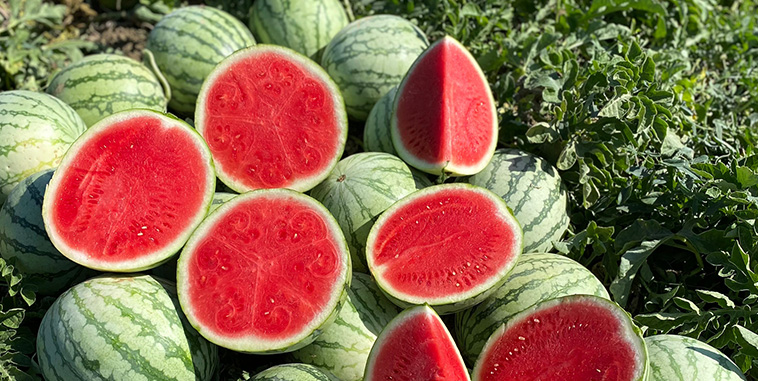
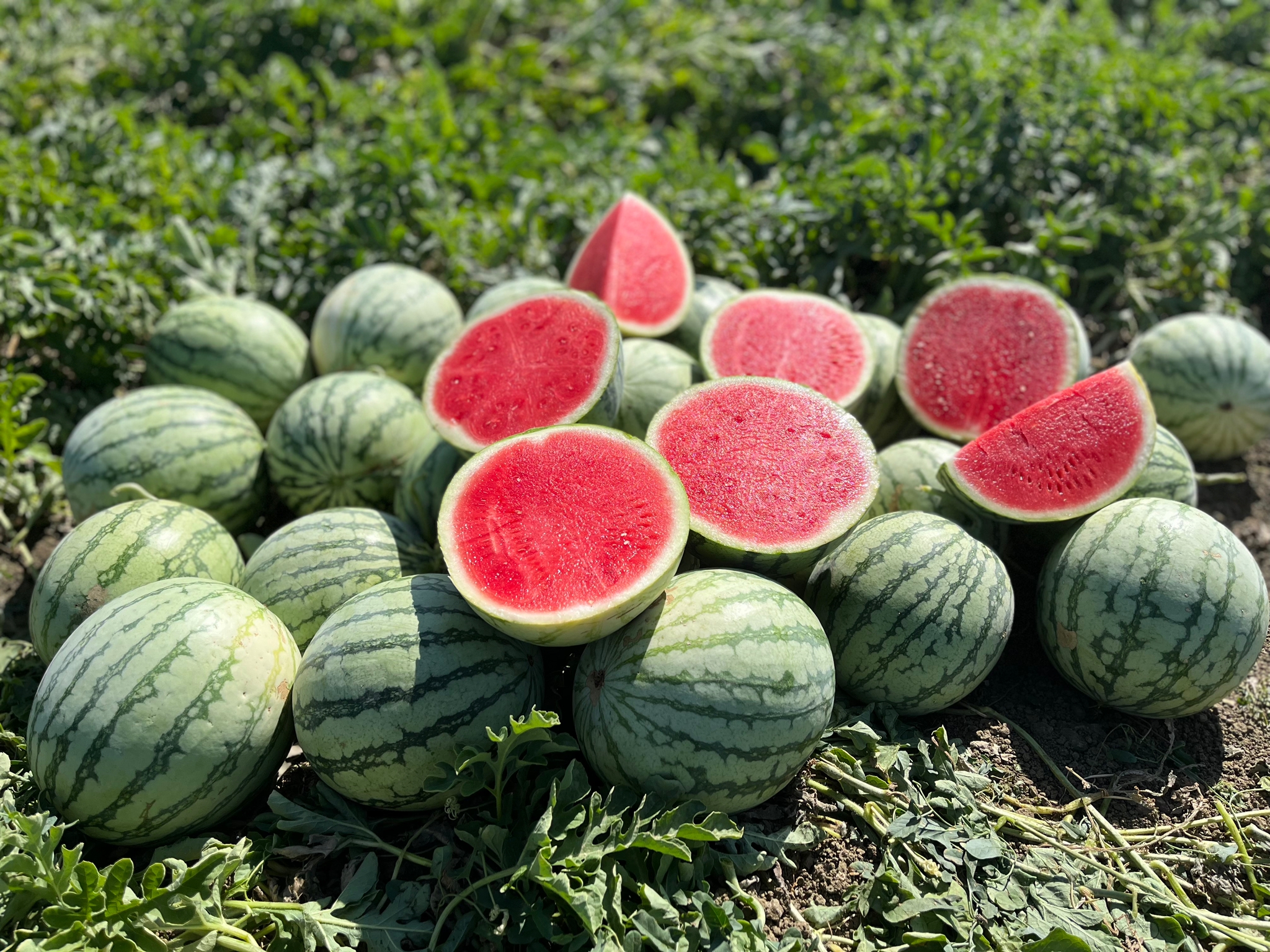
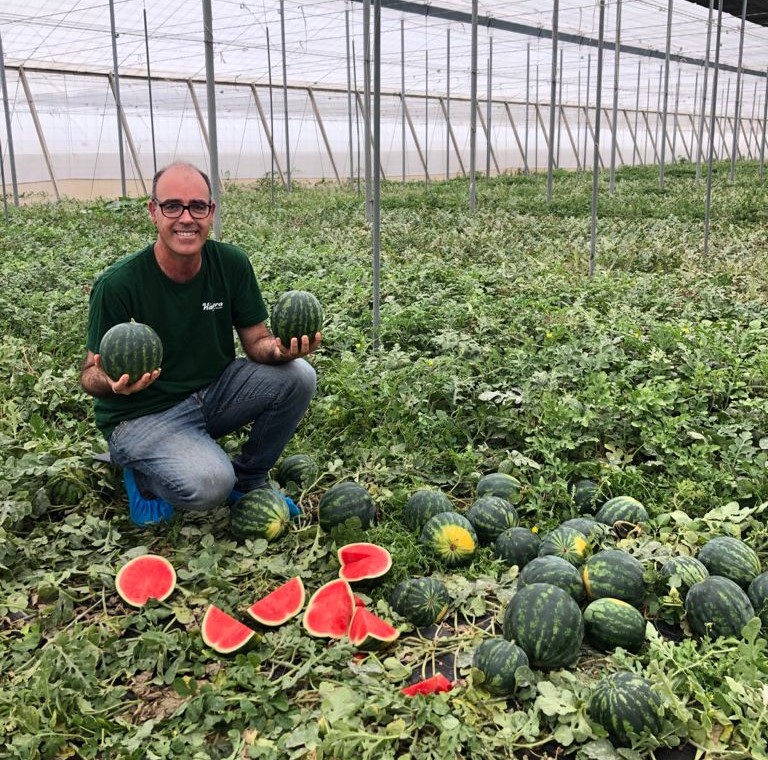
Developing a triploid, seedless watermelon requires precision and expertise—especially when integrating new traits to meet the demands of growers, retailers, and consumers. Hazera’s breeding team has achieved a remarkable breakthrough with Onza, a next-generation tiger type mini seedless watermelon hybrid.
Onza embodies Hazera varieties’ core strengths and essential traits in crop resilience, high yield, and good shelf-life. Its ideal rind-to-flesh ratio ensures durability during shipping without compromising quality, while its deep red interior, long shelf life, and high brix content guarantee a sweet, flavorful experience.
“Onza is proving to be the first of our new generation mini tiger strip watermelons that shows wide adaptability for West Coast growers. It boasts high yields, excellent field holding capacity, impressive storage shelf life, uniformity, and exceptional internal qualities, which have growers and marketers raving. Watching the harvest crews’ line up Onza on the beds and seeing the line machines stop due to high yields stacking up the belts is a very impressive and prideful sight to see.” ~ says Barry Younkin, Western USA Sales Manager.
Thanks to its amazing adaptability, Onza has quickly gained traction in the US and Mexico markets, proving its value in challenging growing conditions. It delivers measurable benefits across the agricultural chain by reducing costs for growers, maximizing profitability for retailers, and ensuring satisfaction for consumers. At Hazera, innovation does not stop at breeding. Our Fresh Chain program fosters sustainable partnerships across the entire supply chain, from seed to shelf. By collaborating with growers, retailers, and other stakeholders, Hazera ensures that groundbreaking varieties like Onza meet market demands while raising industry standards for quality and sustainability.
Hazera’s long-term vision is to continue elevating watermelon quality and transportability while developing robust solutions for plant protection and yield stability. Through continuous product improvement, Hazera remains committed to advancing a healthier, more resilient food system and delivering optimal value across the agricultural chain.
Would you like to learn more about Onza? Contact us!
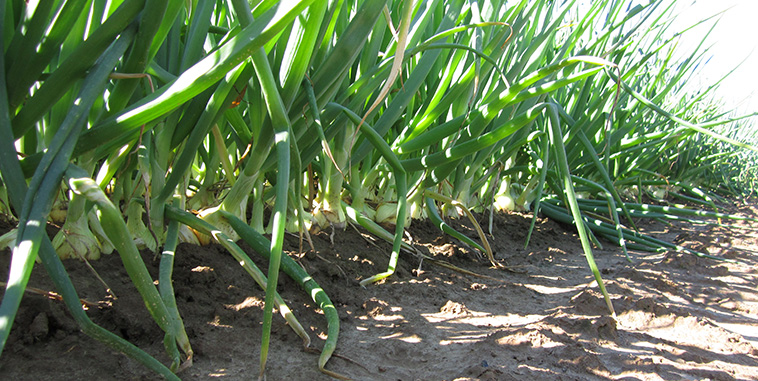
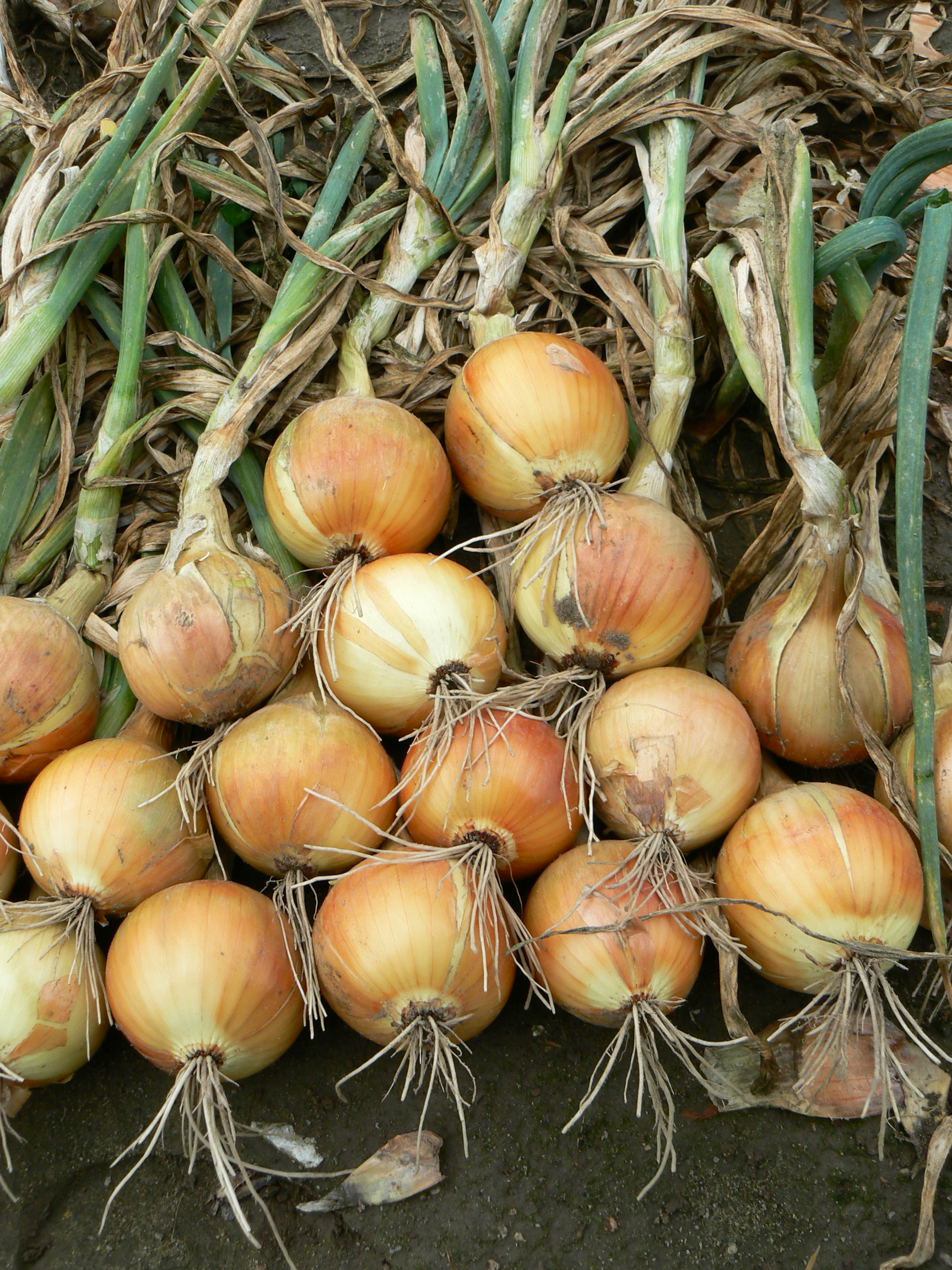
The story of Centro, a high-performing onion variety now sold throughout Europe, is one of innovation and strategic focus.Over the years, Centro has become a key symbol of Hazera’s dedication to producing top-quality onions and driving success in the global market.
Thirty years ago, Hazera’s market share in onions was low. In 1993, a dedicated project team was formed, bringing together experts from R&D, Marketing, and Commercial divisions, along with an external onion specialist. The goal: to uncover the reasons behind the low market share and implement impactful changes to significantly improve it.
Through extensive discussions with key growers and packers, the team identified the core issues—low yield and poor skin quality—which led to low pack-out rates and considerable losses for customers. This realization helped the team set new priorities, focusing on four key traits: yield, skin quality, dormancy, and firmness.
Recognizing that “what gets measured, gets improved,” the team invested in a machine to accurately measure firmness. This new approach provided clear focus and helped define the right priorities. Over the next decade, Hazera’s onion team consistently used this tool during their evaluations, allowing them to identify clear differences in traits like yield and firmness between Hazera’s genetics and those of competitors.
Together with a group of colleagues, the team selected breeding number 37-58 F1 for development. It was thoroughly tested with leading growers in key onion-producing regions, and a detailed plan was created to guide the project in the years to come. Numerous trials confirmed the variety’s exceptional performance. The variety was named “Centro” due to its high rate of single centers and was first launched in key markets, the Netherlands and Germany. Within 6-7 years, Centro gained popularity and was adopted in many other countries.
Hazera’s long-term commitment and investments have led to a substantial increase in its market share for onions. Hazera continues to focus on breeding and the development of high-yielding varieties with unique traits.
Would you like to learn more about Centro? Contact us!
How ToBRFV varieties changed the Mexican tomato market
Posted on Dec 03, 2024
ToBRFV is a constant threat to growers worldwide as it significantly reduces yields, affects the quality of the fruit, and systematically infects other plants. It is a very transmittable virus that can infect through soil, tools, water, and people’s contact. Hazera has been tackling this threat with its ToBRFV IR varieties- the optimal balance between protection and performance – which provide growers with an effective tool to face the highly infectious virus.
Guillermo Briseno, General Manager in Mexico tells us how the ToBRFV varieties changed the tomato market in Mexico.
Market overview prior to ToBRFV resistant varieties
“The Mexican tomato market before ToBRFV, was a regular market with its challenges on yield, quality, regular diseases for which we had the majority of the resistances and so on.”
How did the new virus impact the market?
“After ToBRFV, the course of tomato producing practices has changed dramatically in Mexico and in the whole world. At the beginning, it was an unknown enemy that was confused many times with TSWV or similar symptoms diseases. ToBRFV is a game changer in the industry. It requires plants to have a strong resistance as that is the main factor for growers to be able to produce tomatoes.”
What are the tomato growers looking for today?
“When the first ToBRFV-resistant varieties were launched by the different companies, there was always a strong doubt from the growers, about whether the resistance was strong enough or not, or how the behavior of the plants would be related to all the rest of the traits such as quality, quantity, vigor, size, fruit coloring etc. As of now, growers are looking for the optimal balance of protection plus performance of the ToBRFV-resistant varieties; So, it is important to supply growers with varieties that can provide on one side resistance and on the other side a good performance that can provide the growers a profitable business.”
Recognition of Hazera’s Efforts
“Hazera has a good position on the ToBRFV tomatoes in particular the indeterminate roma and grape tomatoes slots. We have now two indeterminate tomato varieties Canelo and Pendragon that show good performance and add value to the growers. In addition, we are now adding long shelf life to grape tomato varieties that require a high demand of labor to support growers as well with lower labor needs, resistance, and performance. At Hazera, we will continue working on this desired balance that can assure growers to continue profitable seasons and bring more and more varieties in the different slots that can provide performance and resistance.”
Would you like to learn more about the market in Mexico or have other questions? Contact us!
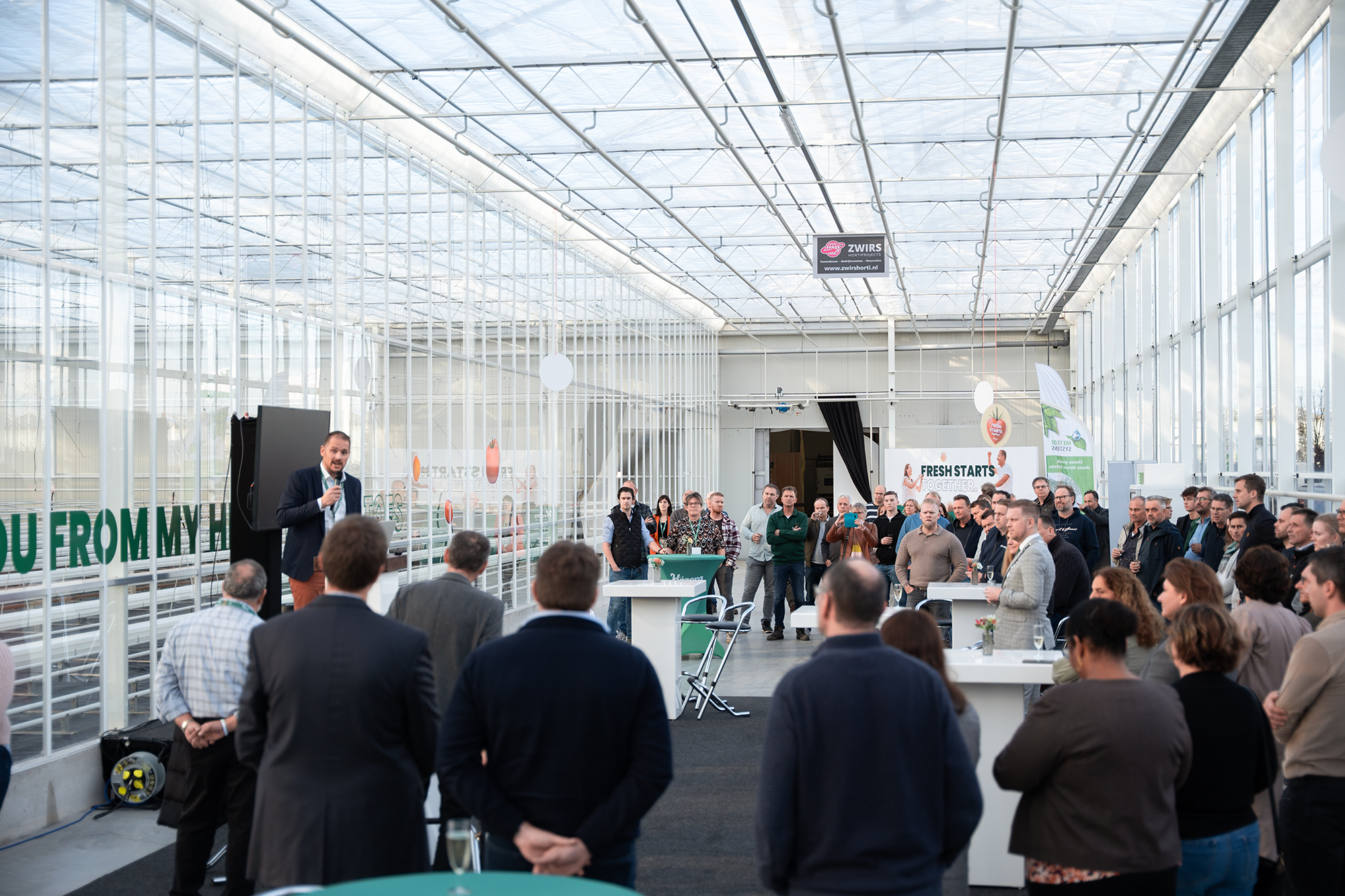
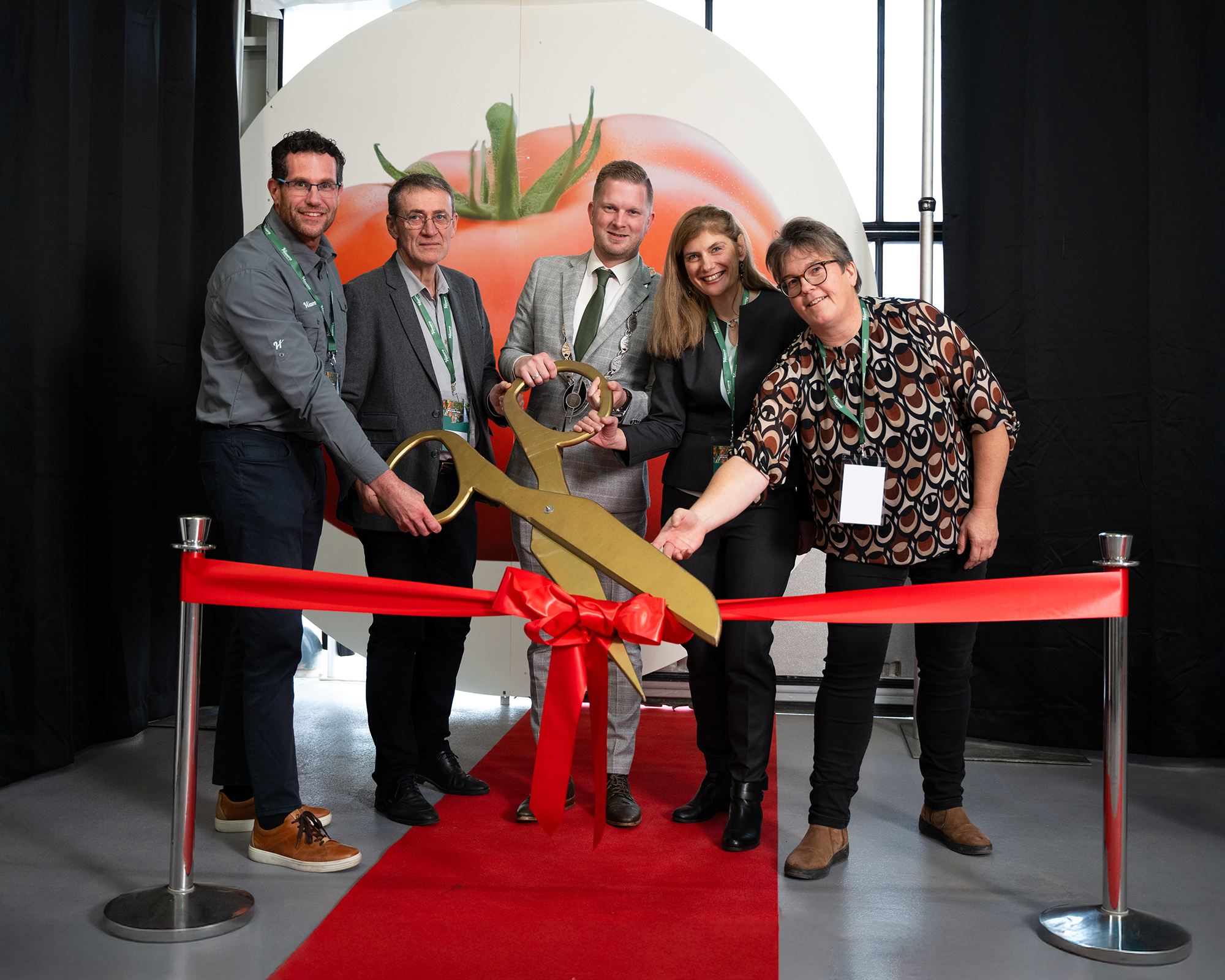
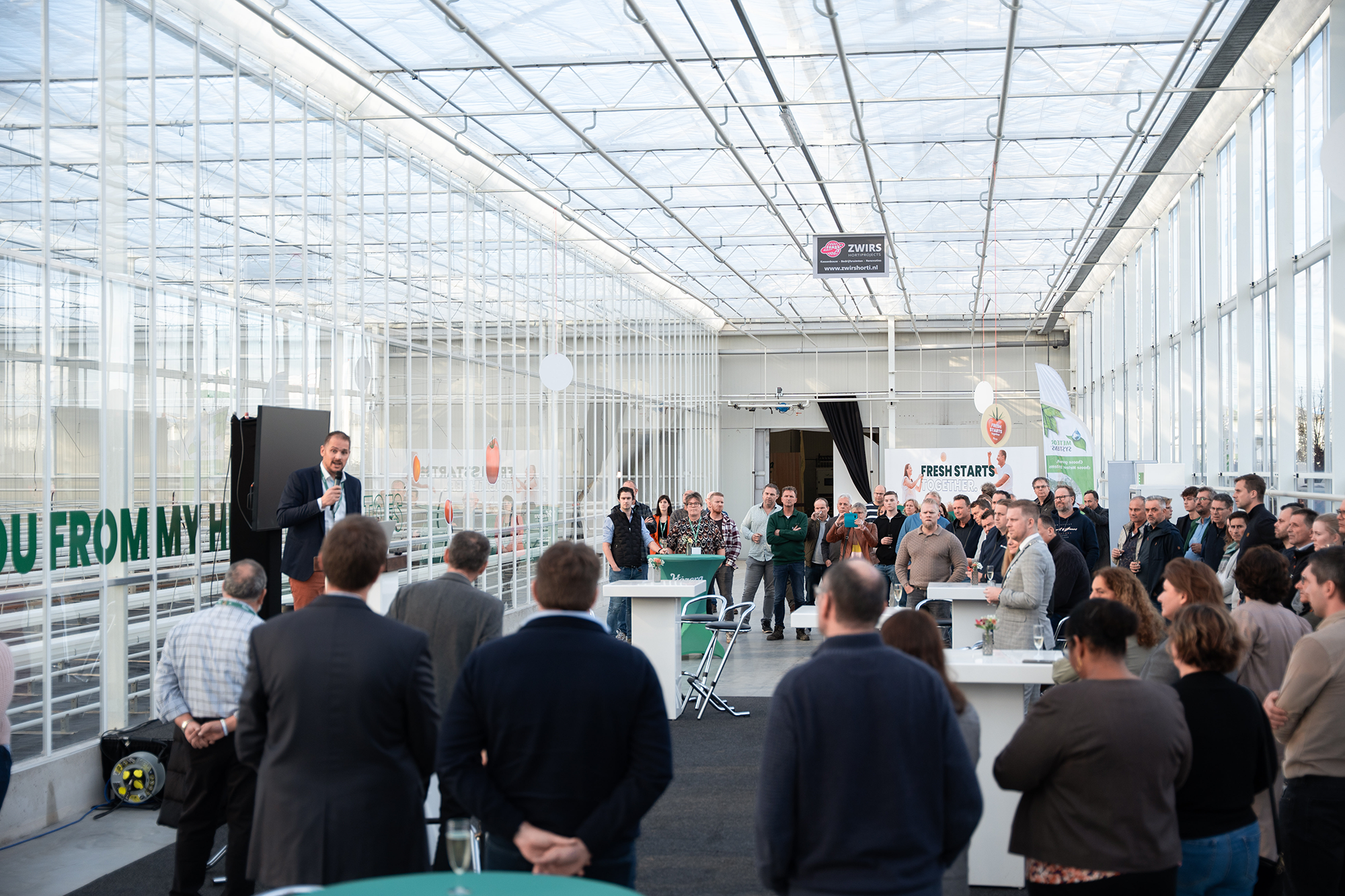
Hazera’s new high-tech R&D greenhouse, unveiled last week in Made, the Netherlands, marks a significant milestone in the company’s ambition to become a leader in the high-tech tomato industry. The nearly 5-hectare facility, located next to Hazera’s headquarters, will serve as a cutting-edge hub for research and development.
This investment, supported by Limagrain’s vegetable seed division, aims to enhance Hazera’s research capabilities, focusing on developing tomato varieties with strong disease resistance (particularly to ToBRFV), high yield and excellent taste.
The official opening was done by the Mayor of Made-Drimmelen. From left to right Elad Shalit (Hazera), Gilles Gay (Limagrain), Mayor of Made-Drimmelen Mr. Scholtze, Milena Vulcheva (Deputy CEO Hazera) and Mary van Laar (Hazera)
The greenhouse is repurposed from an existing commercial operation, which aligns with Hazera’s commitment to sustainability. This facility will also allow Hazera to refine its breeding techniques and accelerate the development of innovative tomato varieties that meet evolving market needs. By leveraging advanced technology and expertise in breeding, Hazera aims to help growers overcome challenges and improve the quality of their crops.
The Netherlands, as a hub for high-tech tomato production, provides the ideal setting for this initiative, and Hazera envisions its new greenhouse as a vital tool for driving innovation and growth in the global high-tech tomato market.
Big thanks to the team
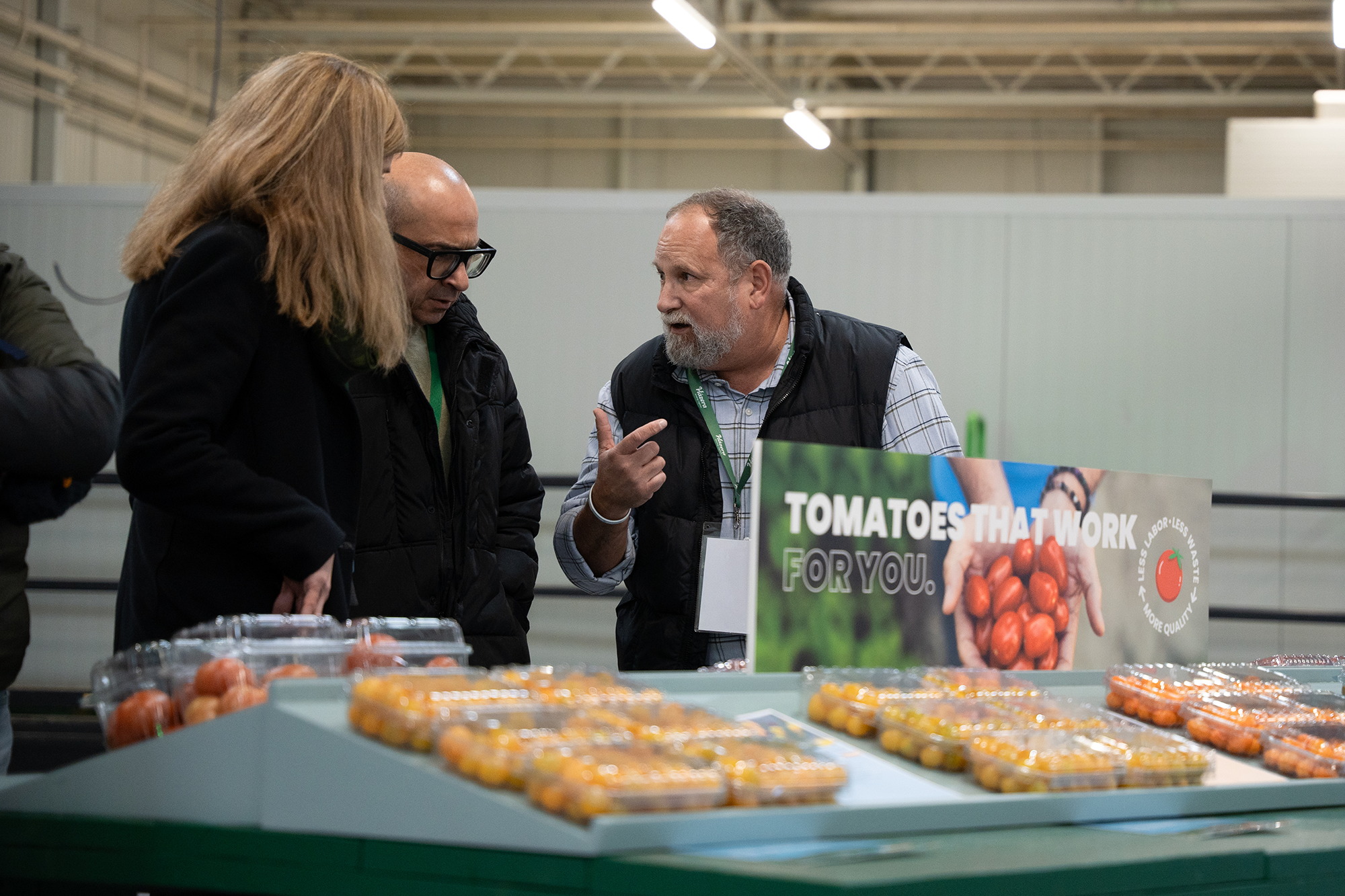
After the presentations and a tour of the greenhouse, we had the opportunity to discuss the future of tomato breeding in person with our partners. We also took the time to express our heartfelt thanks to the dedicated team of employees and contractors who worked on the construction of the new greenhouse.
Ready for the future “This new greenhouse demonstrates our commitment to sustainability and efficiency, as well as extension of business operations”, says the new appointed Deputy CEO Milena Vulcheva. “We are incredibly grateful to everyone who contributed to this intensive period. This is a key milestone in our drive for innovation and ambition to become a leader in the high-tech tomato industry. Together with our partners worldwide we will build a sustainable future.”
A fresh boost for the region of Made “The acquisition and renovation of André van Zeijl’s greenhouse by Hazera provides a fresh boost to Plukmade” according to Mayor Scholtze of Made-Drimmelen. “Since 1999, Hazera has had its operations in Made, and this expansion further stimulates local employment and commercial activity. It is something we, as a municipality, are proud of.”
For more information, please contact: www.hazera.com / or check our social channels
HAZERA: Growing Together Hazera Seeds is a global company that develops, produces, and commercialize seed varieties and is a global leader in the seed industry. Hazera has headquarters in both the Netherlands and Israel and operates subsidiaries in 11 countries, together with a distribution network serving over 130 markets.
Hazera is part of the Limagrain Group, an international farmers’ cooperative based in France. Limagrain has grown into the largest seed company in Europe, specializing in vegetables, field crops and cereals. The vegetable seed division at Limagrain is the largest in the industry
How ToBRFV varieties changed the tomato market in Greece
Posted on Oct 20, 2024
Greece is recognized for its substantial consumption and production of tomatoes, both fresh and processed. This brief explores the transformative impact of Tomato Brown Rugose Fruit Virus (ToBRFV) resistant varieties on the tomato market, focusing on the pre-existing conditions, the emergence of dominant varieties, their characteristics, benefits, and the broader implications for tomato cultivation.
Let’s see what Petros Karkatselis, General Manager can tell us how the ToBRFV varieties changed the tomato market in Greece.
Market overview prior to ToBRFV resistant varieties
“Before the introduction of the ToBRFV resistant beef tomato varieties, the virus significantly affected the tomato cultivation in Greece. It caused a reduction of approximately 15% in tomato greenhouses cultivation area. This decline was attributed to the virus’s detrimental effects on both yield and fruit quality, prompting growers to shift to alternative crops, such as cucumbers and tomato mini plums, that we saw an increase in the last two years in cultivation area by over 15%.”
Which ones are the dominant varieties in the Greek market?
“Hazera introduced Thireos F1, the first ToBRFV resistant beef tomato variety in Greece, with initial plantings in spring and expanded cultivation into autumn/overwinter periods. The variety has shown promising results, with excellent yield and fruit quality, encouraging repeated cultivation among growers. Similarly, the mini plum tomato variety Lollipop has gained traction for its resistance to ToBRFV, bolstering grower confidence in tomato production free from the virus’s threats.”
What are the main benefits of these varieties?
“Thireos is characterized by a robust and vigorous plant producing large, shiny red beef tomatoes with outstanding taste and quality.
Lollipop is known for its strong plant and high yield, Lollipop produces fruits with exceptional taste and extended shelf life.
These varieties not only outperform older varieties in yield but also offer a resistance package that allows for the cultivation of non-grafted plants, reducing costs significantly.”
What tomato the growers are looking for today?
“The challenges of pest infestations (Tuta Absoluta), labor costs, and ToBRFV have contributed to a declined tomato cultivation in Greece. Growers are searching for resistant varieties that offer ease of cultivation and high performance to mitigate these threats. The demand for ToBRFV resistant varieties is a testament to the industry’s need for solutions that effectively address both the virus threat and cultivation costs.”
How are the Hazera ToBRFV-resistant varieties perceived in Greece?
“Hazera’s introduction of ToBRFV resistant varieties has been well-received in the market, providing growers with the means to produce high-quality tomatoes while alleviating concerns over virus-related losses. Hazera’s proactive support and knowledge sharing have been instrumental in assisting growers to optimize their cultivation practices and achieve superior results.”
How are Hazera’s efforts recognized?
“Hazera has been breeding resilient and resistant varieties to overcome the challenges in the market for a long time. With its ToBRFV varieties Hazera tackled new challenges and showed its commitment to support growers in difficult situations as well.”
How the ToBRFV varieties work for the growers?
“The introduction of ToBRFV resistant varieties, such as Pendragon, Giubilo, Windsor, Canelo, Lollipop and Thireos, aligns with the concept of “Tomato That Works for You,” emphasizing the synergy between innovative breeding techniques and the practical needs of tomato growers. This approach highlights the industry’s shift towards sustainable and resilient agricultural practices in the face of emerging threats.
In summary, the introduction of Hazera ToBRFV resistant tomato varieties has significantly influenced the Greek tomato market, offering new opportunities for growth, stability, and sustainability in the middle of challenges. Hazera’s contributions, through the development and support of these varieties, have been critical in revitalizing tomato cultivation in Greece, reflecting a commitment to innovation and sustainability in agriculture.”
Would you like to learn more about the market in Greece or have other questions? Contact us!
Five years ago, Hazera introduced Fenix pepper, a blocky yellow variety, to greenhouse cultivation across Mexico, revolutionizing the pepper industry with its superior qualities.
Before the arrival of Fenix, Mexican growers faced a significant need for reliable pepper varieties that could deliver continuous yields from September to May. Growers often experienced a production gap with traditional varieties, especially during the cold months. At the same time, shifting consumer preferences increased the demand for peppers with good fruit shape and an attractive yellow color.
These market demands resulted in several competitor varieties entering the market. Fenix emerged after years of dedicated breeding that prioritized the development of a disease-resistant and strong crop that thrives even in stressed conditions and challenging latitudes where radiation is a limiting factor.
Fenix’s exceptional attributes, such as high yield, quality fruit in terms of color, shape, and uniformity, and a strong plant balance between vegetative and generative growth, make it the preferred choice for growers. Today, it holds approximately 40% of the market share in Mexico, particularly in the Sinaloa area.
“Fenix is a variety with very strong plant, that helps to have a healthy plant that can be grown on high radiation condition during summer when we start the harvest. During season, fruits continue with good sizes and thick wall. It’s an excellent variety for us with its flexibility to be packed in boxes and bags. On this segment of yellow blocky pepper, Fenix is the best variety for our growing conditions like salty soils and high radiation during big part of the season. During and after winter, Fenix keeps its uniform sizes and good fruit weight.” ~ Gerardo Gonzales Perez, grower at Horticola Jehersa S.P.R de R.L. farm in Yurecuaro, Michoacan.
With devotion to sustainability, we continuously seek ways to enhance our varieties. With Fenix, we implemented sustainable growth methods that minimize fruit waste and optimize the use of water and fertilizers. This approach reflects our dedication to creating a positive impact across the entire supply chain, from growers to consumers.
The success of Fenix is a testament to our commitment to innovation and people. The high performance and fruit quality of Fenix ensure that growers produce healthy, delicious vegetables that strengthen communities and promote healthy living. Our global diversity and invested expertise allow us to understand and adapt to the unique needs of various markets, ensuring that Fenix continues to be a valuable crop.
Would you like to learn more about Felix? Contact us!
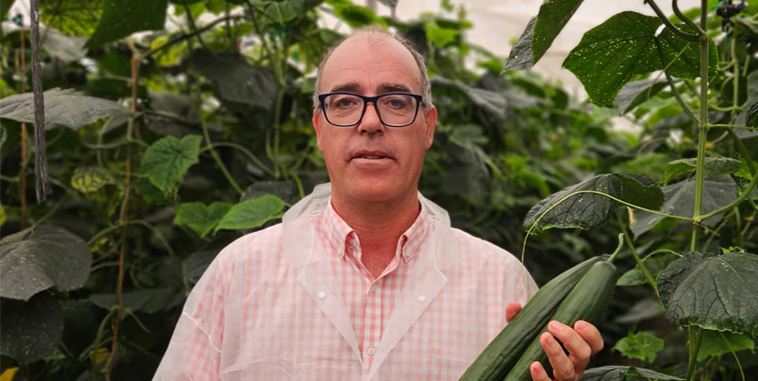
At Hazera, we are proud of our dedicated team, which works passionately to provide our growers with the best products. While we tend to put our products in the headlines, it is the Hazera team who are behind our success. Let’s shine the spotlight on Federico Puyo (52), Product Manager for Long Cucumbers and Blocky Peppers from Almeria, Spain.
Federico Puyo, Product Manager for Long Cucumbers and Blocky Peppers, lives in Almeria with his wife and two kids. He studied agronomy and has been working in the agricultural industry since 1994. He began his career as an advisor in crop management for local companies in the fertilizers and fruit trees business. After 25 years, Federico decided to return to his roots and work with vegetables. He joined Hazera five years ago and with his empathy, expertise, and curiosity he has been a valuable team member since.
What is a common myth about your field of expertise?
“A common misconception about the seed industry in general, which I also had myself, is that creating and breeding new hybrids is not a complicated process. But since I started working as a product manager, I learnt that I couldn’t have been more wrong about it.” Admits Federico. “Turns out, producing seeds is quite complex. Especially nowadays, as there is a need to develop global varieties that can thrive in various conditions and markets.”
In your opinion, what is the most important strength someone needs to be successful in your job?
“I think empathy and willingness to help others are very essential skills a product manager should have. At the end of the day, it’s not just the company that matters, but the people within. In my position, it is important to have empathy because you need to understand the challenges and needs of different departments and people like breeders, sales, and marketing. You need to be able to combine the various perspectives and work together towards a common goal. And of course, to do this, you also need to be curious, need to be engaged with different departments within and outside the company to learn and understand what they do. Then you have the full picture, and you are of better help.”
Tell us about a project you’re proud of and why.
“I can highlight two things I’m proud of. One is the mini seedless watermelon project I’m involved in with some colleagues from Marketing and Fresh Chain. I’m very proud of being part of this project because, despite all the difficulties the team is facing, we are taking a position in the market step by step. The other thing to highlight is related to my crop, long cucumber. I take pride in transforming the perception of Hazera in the Spanish market. At first, Hazera was viewed as a tomato company, but the reputation of our long cucumbers is growing more and more, and growers are curious about our varieties.”
What does “Hazera- Growing Together” mean to you?
“As I see it, Growing Together has two parts. One part is Growing Together internally, as I mentioned, being empathetic and curious and working as a team with colleagues. I might not be so knowledgeable in other crops, but I keep an open mind and try to connect with my colleagues and learn from them.” Federico smiles. “In the end, we are one team, and we need to have the same mission. Growing together externally means that we need to collaborate with our external partners and customers, understand their challenges and try to find solutions to help them. So, growing together is not only a benefit for Hazera but also a global benefit.”
Tell us something about yourself that most people do not know.
“Not many people know, but I would like to set up a tapas bar when I retire. My wife is not convinced yet of this idea.” Federico laughs. “But I’d love to own a tapas bar, where I can talk with the people who come in. And of course, drink a beer or two with them.”
Do you want to stay connected with our Hazera people?
Follow us our social media channels to stay connected with our Hazera people! If you have any questions left, don’t hesitate to ask them via our contact page!
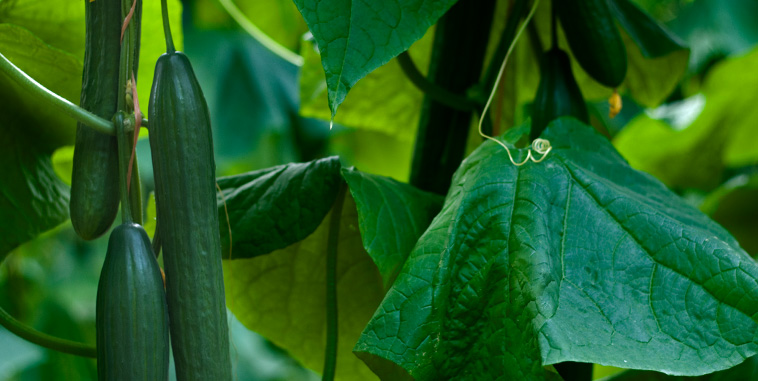
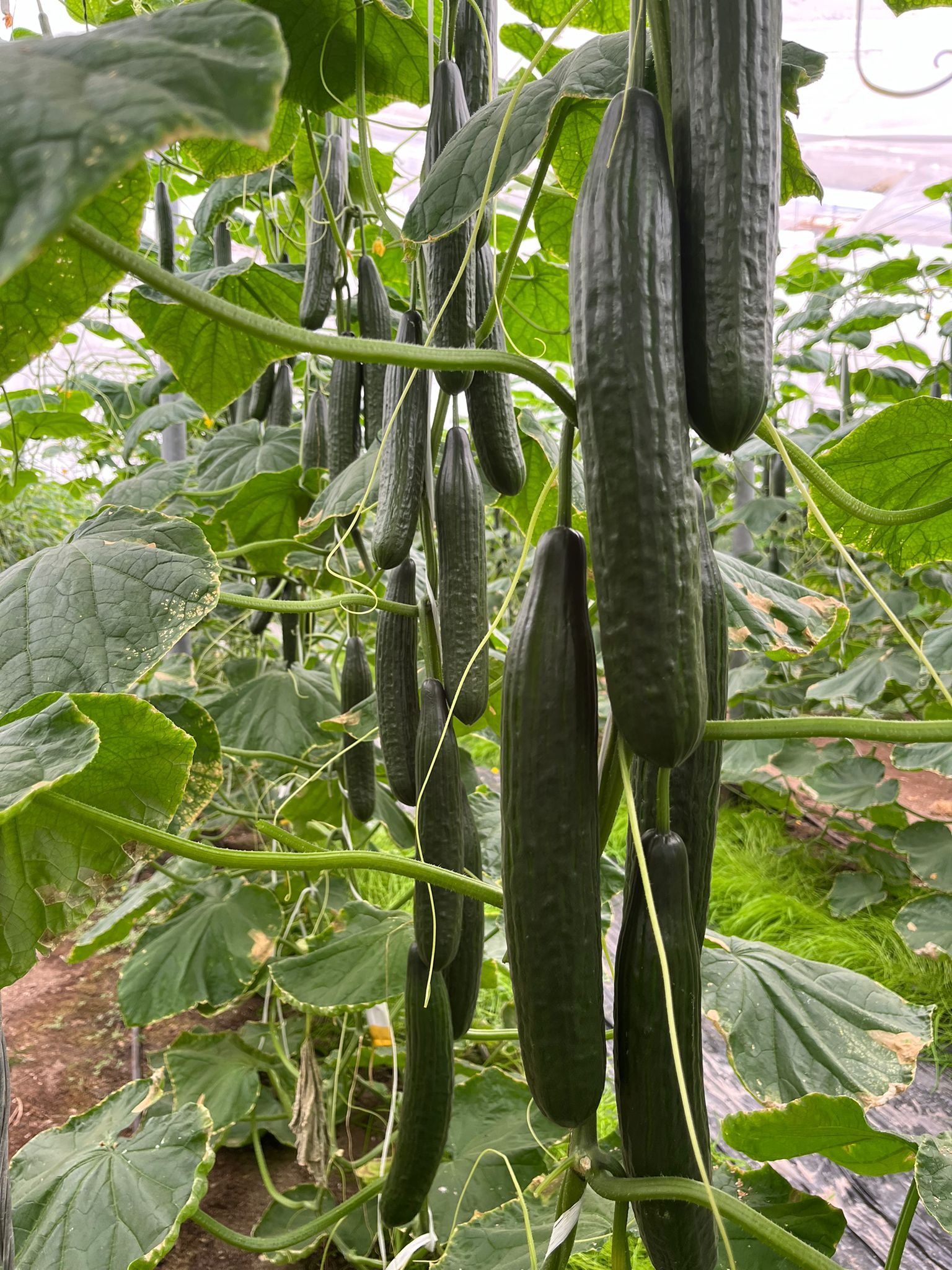
Hazera’s Long Cucumber breeding program, initiated around ten years ago, is still relatively new. This makes it even more impressive that at such an early stage of the program, our team was able to breed ZiMMan, a variety that responds exceptionally well to new environmental stress factors like climate change, water salinization, and new plant viruses.
In the ever-evolving field of agriculture, with increased environmental challenges, Hazera needs to produce versatile varieties. ZiMMan is the first variety developed with this in mind. It is a notable addition to the Hazera cucumber portfolio, designed to tackle these challenges, with a main focus on fighting against the new plant viruses, especially CGMMV.
ZiMMan was launched in Spain, a key market for Long Cucumbers. But its adaptability to thrive under hot conditions, high yield, and comprehensive set of resistances (CYSDV, CVYV, CGMMV, Px) make ZiMMan a resilient and reliable choice for growers worldwide.
“The team started to develop ZiMMan around four years ago and within its first commercial year, ZiMMan achieved a 10% market share of the Spanish market in seed quantity. I’m impressed and proud of the team that they were able to achieve this level of success in such a short time with our cucumber breeding.” – Federico Puyo, Product Manager for Long Cucumber.
Moreover, ZiMMan showcases Hazera’s commitment to innovation and excellence, offering several key characteristics that ensure its adaptability to diverse growing conditions and environmental stresses: Strong Root System: Ensures the plant’s resilience and ability to withstand stress. Dark Fruit Colour: Indicates a healthy and visually appealing crop. Plant Structure: Promotes optimal growth and productivity.
With investing the expertise of its team, Hazera is on a journey towards cultivating stronger and more resilient cucumber varieties.
Would you like to learn more about ZiMMan or our cucumber breeding program? Feel free to contact us.
From wraps to kimchi Sauerkraut may be on the decline, but its consumption has been stable for years.
The way we eat sauerkraut is changing: from stew to an oven dish, as a side dish, or in a salad. “A new, young target group has discovered the health benefits of fermented products. That gives cabbage a boost.
Large part of cabbage for industry
The majority of red cabbage goes to the processing industry. They end up cut into vegetable packets or pre-cooked in jars. About 70% of white cabbage goes to processing plants and other processors. This is preferably done as soon as possible after harvest, according to Maarten Danenberg, product manager of Hazera. The remaining 30% of the white cabbage in the Netherlands ends up on the shelf in its entirety. That proportion is higher with pointed cabbage, says Danenberg: “Pointed cabbage is easier to cut in your own kitchen. And we’re seeing more and more recipes with half or a quarter of pointed cabbage, pan-fried or grilled on the barbecue.”
Hazera’s pointed cabbages Regency & Dutchman
Pointed cabbage is one of the head cabbages that is clearly growing in volume, Danenberg observes: “Not spectacular; a few percent per year. But that increase has been going on for about twenty years.” The development is coming from the United Kingdom, especially to the Netherlands and Germany.” Popular varieties at Hazera are Regency and Dutchman (for summer cultivation) and Marshal (storage). We also see growth in our flat cabbage varieties like Callaway & Catelya for Central Europe, the Balkans and Turkey.
Brassica breeding is part of Hazera’s heritage
It originated with development of varieties for Western Europe, but today we are a global player with a wide assortment of purpose specific varieties. Our Research and Breeding teams are closely connected to our global network of subsidiaries and distributors, through whom we are in touch with the latest industry trends and preferred requirements within the various Brassica crops.
Hardness and skin firmness in onions crucial for retail, especially during shortages
Posted on Apr 25, 2024
In a year of challenging growing conditions, the quality of onions is an important concern for growers, processors, and breeders.Lindert Moerdijk, Sales Director at MSP Onions, and André Boot, Senior Onion Specialist at Hazera, focus on hardness and skin firmness, whilst emphasizing the importance of collaboration. “Those aiming to deliver quality must look ahead.”
“We faced a late sowing, followed by a hot summer with sunburn issues and a harvest with weather conditions that negatively impacted the internal quality of the onions”, André sums up the past year. “As a result, nearly every batch of onions has internal rot,” Lindert adds. “But our biggest challenge is internal sprouting. Due to the dry summer, conditions for MH spraying weren’t ideal, resulting in sprouting.”
“The times in which we viewed onions as a conventional arable crop are over. You must treat them as horticultural crops, directly catering to their needs. This way, you strive to create ideal conditions and thereby achieve consistent growth”, Lindert says. However, he acknowledges that growers can’t solve everything. “Solving internal sprouting requires substantial investments. Then the question arises: what do we expect from the climate in the next 10 years, how does this affect growing conditions, and can we anticipate it?”
Investing in quality
With their optical sorting machine, MSP Onions proves that forward-thinking pays off in the mutable onion industry. “By investing early on, we are now one of the few processors with an optical sorter that can be programmed for quality. This enables us to process almost every batch and deliver the right hardness and skin firmness,” Lindert explains. He sees this position being reflected in the demand. “We must work nights to meet demand. The decreasing quality of onions across Europe is evident from the fact that we’ve been supplying to other European countries since November. That’s unusually early. This also presents opportunities for Dutch growers.”
MSP’s optical sorting machine enables them to deliver the right hardness and skin firmness
Hard and firm
“In the current market, even with overcapacity, shortages exist for onions that meet the highest quality standards,” Lindert continues. “So, these quality standards are crucial for us. In Hazera’s onion varieties, we can see they share that focus.” André confirms this. “Especially in the lighter sandy soils, where onion cultivation has expanded in recent years. Varieties like Vento, Dormo, and Centro perform well there. In that soil, you need onions that naturally grow more slowly to stay firm.”
Skin firmness is a significant theme for both Hazera and MSP as well. “Our varieties are characterized by a nice round shape and high storage efficiency,” André explains. “It’s important for the grower that the onions maintain the same quality later in the season. If they grow too fast, you’ll encounter baldness later on. That’s not an issue with our varieties.” MSP’s processing also focuses on maintaining skin firmness. “In our process, product friendliness takes precedence over quantity. No bulk, but rather fewer onions that are genuinely good,” says Lindert. “Especially now that the quality of onions coming from the fields is under pressure, caution is necessary.”
Dormo, under the right conditions, the firmest onion with the best skin retention in the Rijnsburger range.
A stronger future together
According to Lindert, the strength of the collaboration between MSP Onions and Hazera lies in their shared ambition. “We both want to continuously elevate the Dutch onion to a higher level. We also have a joint responsibility to advise growers as well as possible. The knowledge Hazera shares with us about onion varieties is invaluable from MSP’s perspective.” André adds, “We want to advise growers, especially in new cultivation areas, on where they can go for high-quality processing. Collaborating closely with processors and sharing knowledge are crucial in this.”
Did you know pepper Maccabi is one of Hazera’s most well-known varieties worldwide? This pepper is one of the first pepper varieties in the world, which- thanks to its long shelf life- is sold truly red for the fresh market, which was innovative at the time. Launched in the 1970’s in the USA and Mexico, Maccabi is still a main player and is being sold to this day.
Today, Hazera’s pepper portfolio is the result of years of intensive research and development to create sweet pepper varieties of all types.
We are inspired by nature. We want our crops to be as healthy as possible. In our development process we focus on new solutions, breeding disease free crops to strengthen the global food system.
The snack vegetable radish mix: colourful, healthy, and Best Product of the Year
Posted on Mar 04, 2024
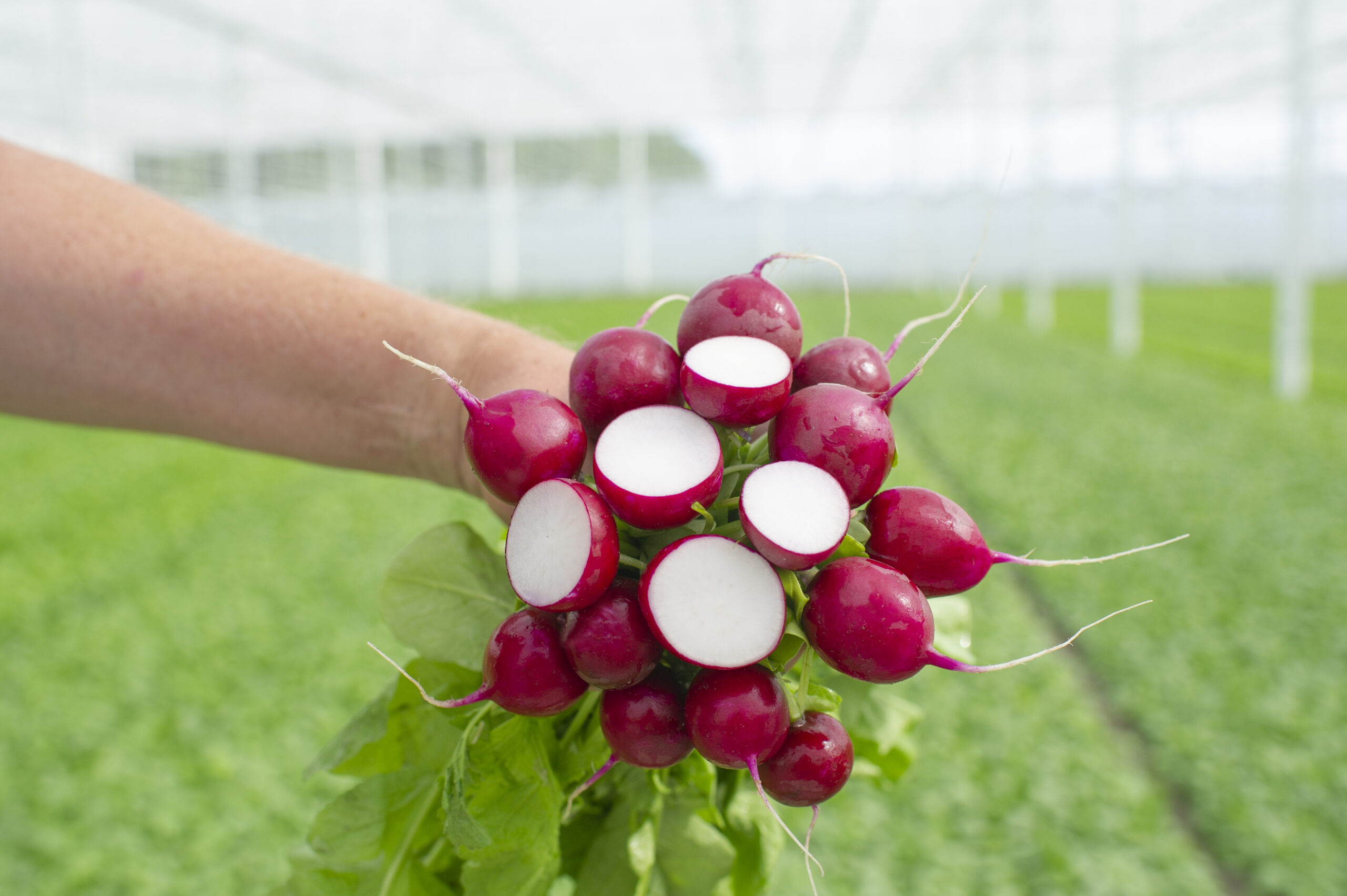
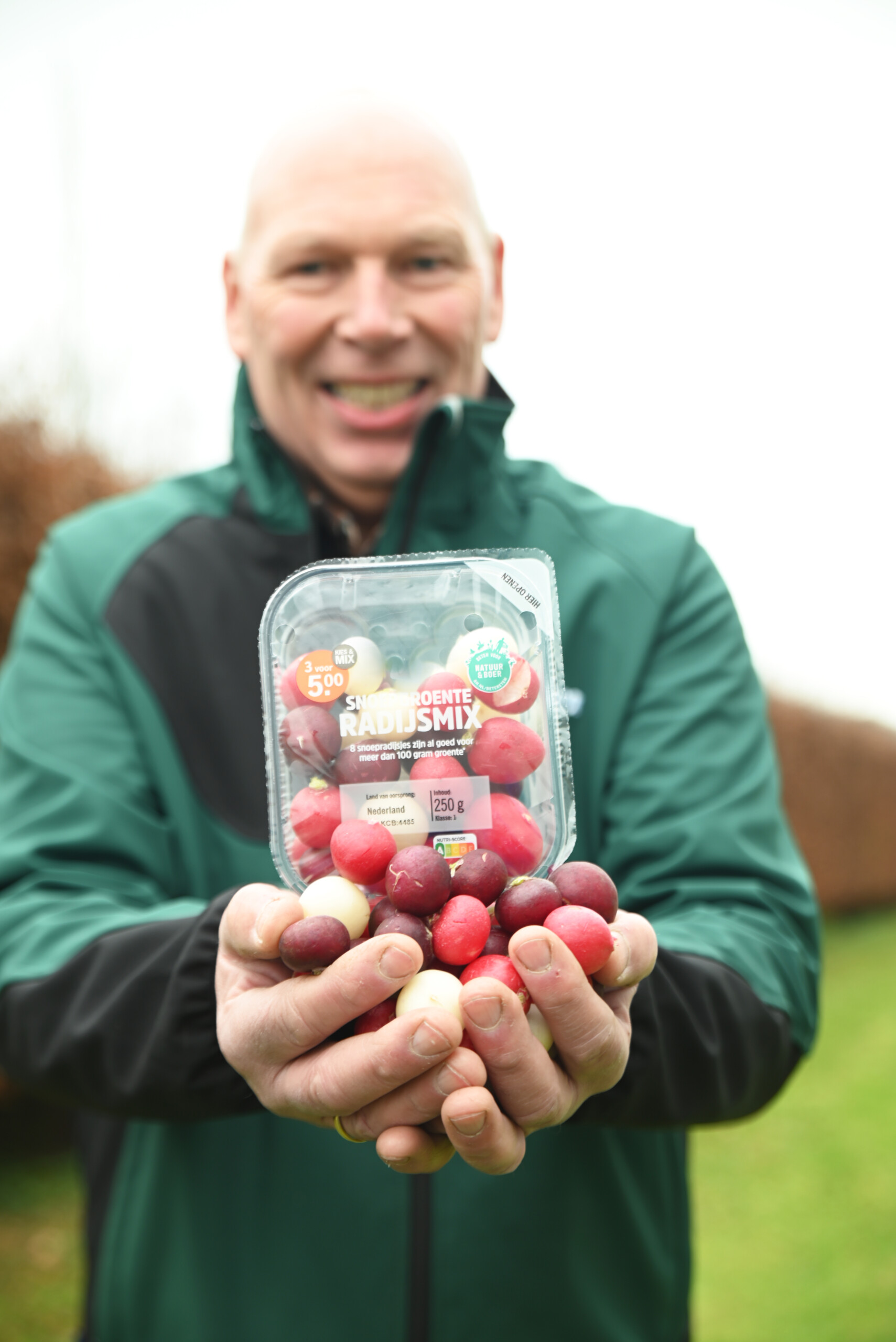
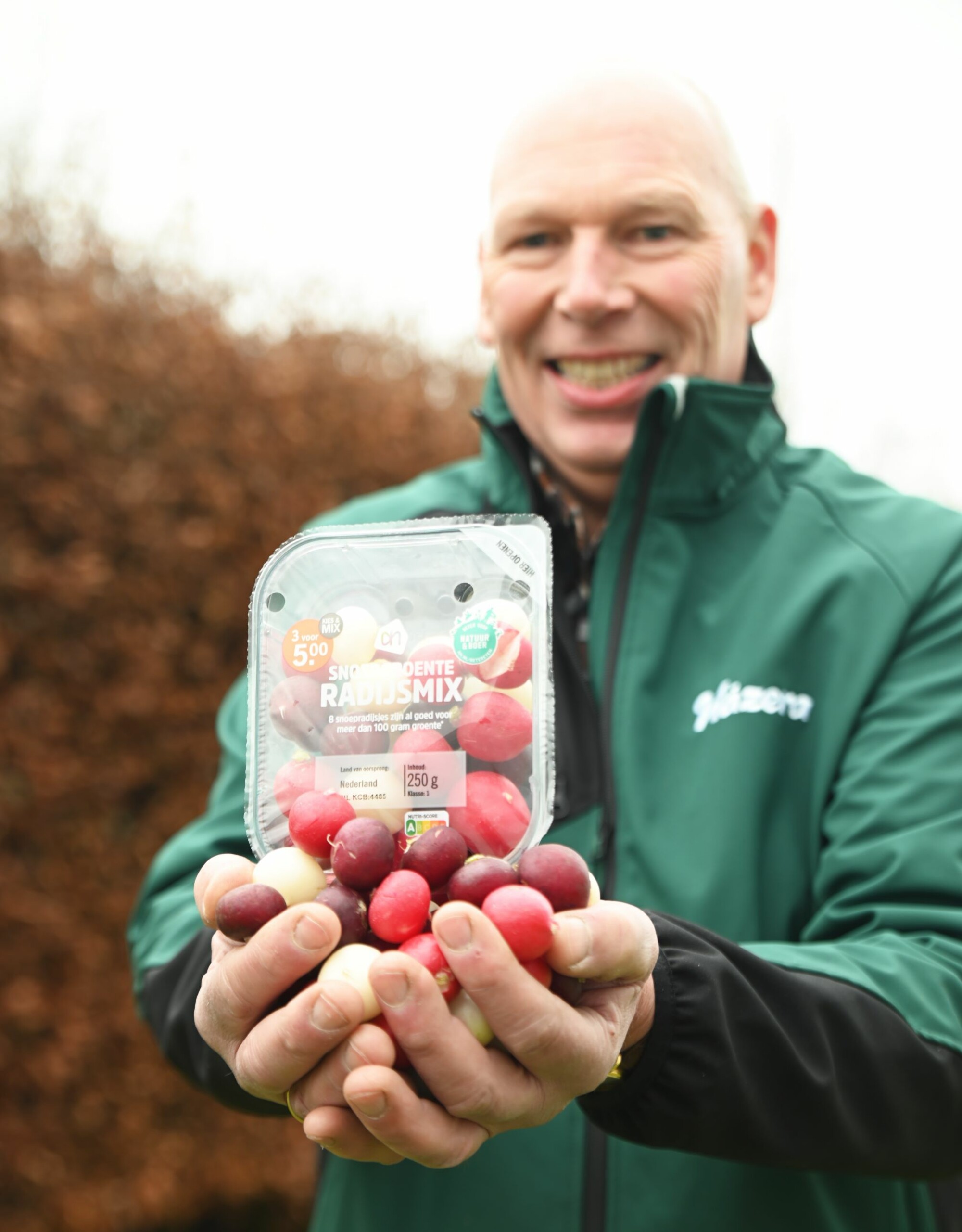
In the Nederlandse Consumentenverkiezing (Dutch Consumer Election) of 2023-2024, the AH Snack Vegetable Radish Mix, for which Hazera produces and breeds the radish seeds, has been elected as the Best Product of the Year in the category of potatoes, vegetables, and fruit. Dirk-Jan Polak, Crop Specialist in radishes, lamb’s lettuce, and baby carrots, sees the award as a compliment for the entire chain behind this product. “You help people make healthier choices.”
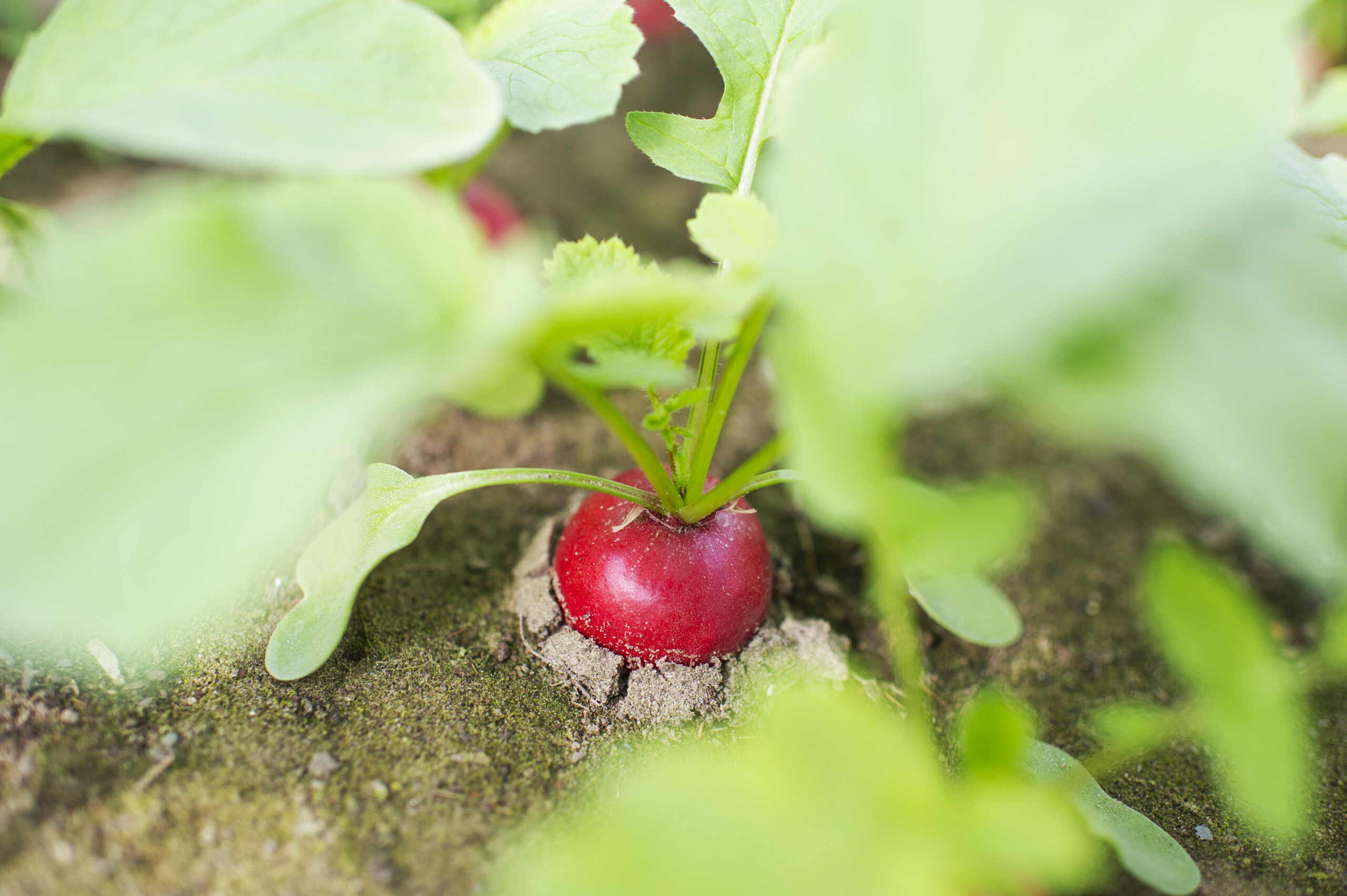
According to Dirk-Jan, the success story of the radish mix begins with genetics. “This ensures that we can continuously deliver high-quality seeds, allowing the grower to produce an excellent final product. Our radishes are beautifully round, have good internal quality, and grow very consistently during different seasons and weather conditions.” As a market leader in radish seeds, seed quality is a top priority at Hazera. “Credit for this goes to the breeders,” says Dirk-Jan. “Through continuous development, we have been able to introduce distinctive radish varieties to the market.”
Unique combination
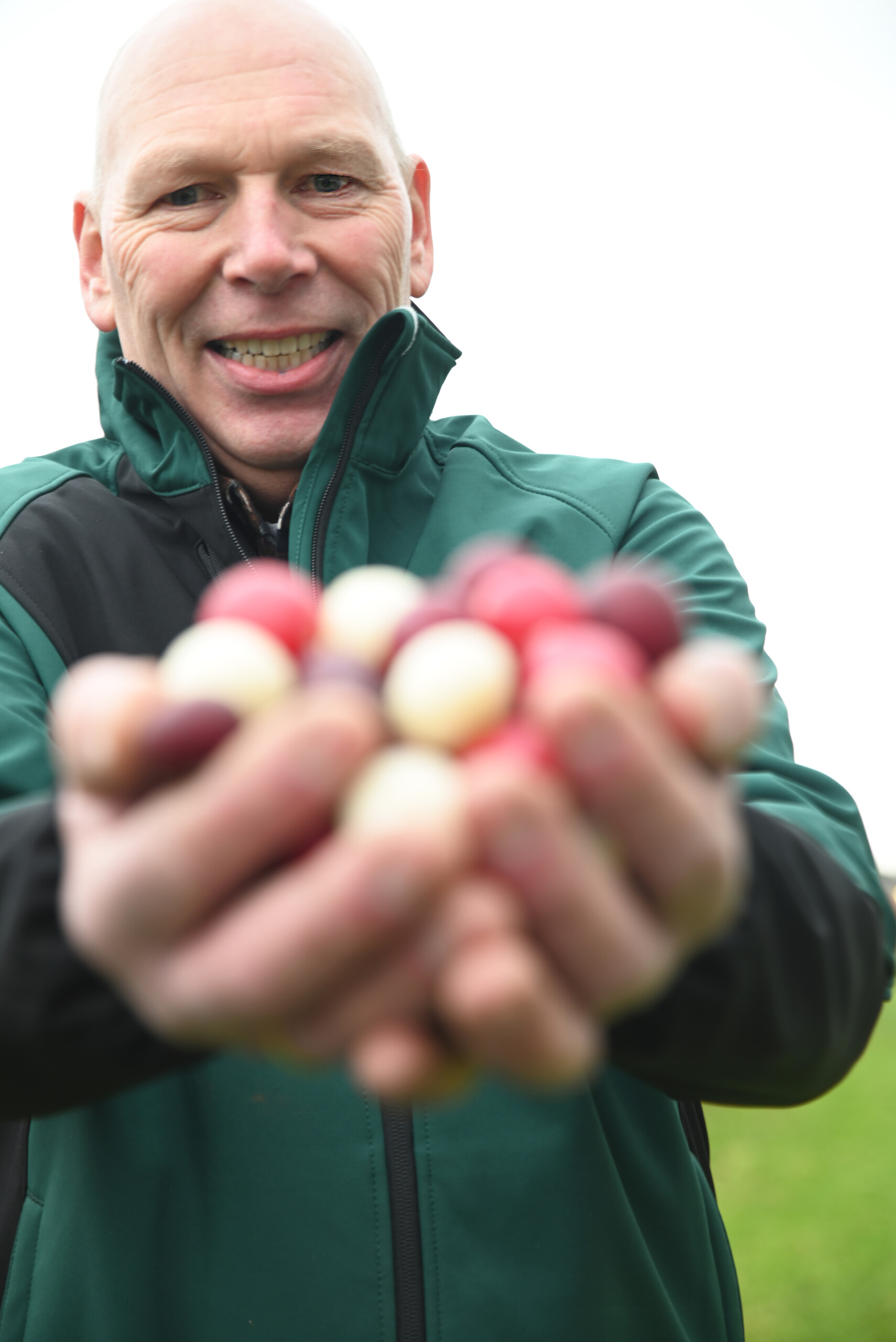
In addition to genetics and seed quality, it’s the ability to produce radishes in various colors that makes the difference. “Purpella F1 and Whitella F1, purple and white radishes respectively, are the only two colored radish varieties cultivated on a serious scale. And they come from Hazera.” Combined with the well-known red radishes, these colored varieties form the AH Snack Mix. An idea from grower Ortolanda, says Dirk-Jan. “The mix of various colored radishes, sold in top seal packaging, aligns with the growing demand for snack vegetables, Ad Coolbergen, managing director of Ortolanda, explains.
Growing together
“We always keep the consumer in mind, on whose plate our product ultimately ends up. That’s why the collaboration throughout the chain is so important.” Dirk-Jan refers to the cooperation between Hazera, Ortolanda, Bakker Barendrecht (a Greenyard company) and Albert Heijn, from which the award-winning radish mix originated. “Breeding, developing, growing, and marketing these types of products requires craftsmanship.” Ad confirms this. “The successful introduction of a new product in the market requires good chain collaboration, where everyone is on the same page. This way, we can collectively meet the market’s needs and respond to consumer trends.”This has been excellently achieved with the radish mix, says Dirk-Jan. “The trend for 2024 is healthy snacking, where people choose vegetables and fruits instead of candy or chips. This radish mix perfectly addresses this trend, fulfilling two important consumer needs: healthy and convenient snacking.” Ad expects the mix to appeal to an entirely new, mainly younger, target audience. The radishes look appealing, are healthy, and are ready to eat straight from the container. With this product, Albert Heijn makes healthy snacking accessible.” Hazera and Ortolanda are both proud to contribute to this.”
Stay on track
Dirk-Jan is optimistic about the future, both in terms of the product and within the chain collaboration. “Radish is a beautiful vegetable that helps people make healthier choices. The fact that the AH Snack Vegetable Radish Mix has been chosen as the best product is a recognition that, with our breeders and partners, we are on the right path and an encouragement to continue the constant development of such products.”
Want to know more about our business?
Follow us on our social media channels to stay connected with our Hazera people! If you have any questions left, don’t hesitate to ask them via our contact page!
At Hazera, we are proud of our dedicated team, which works passionately to provide our growers with the best products. While our products often grab the headlines, it is the Hazera team who are behind our success. Let’s shine the spotlight on Dirk-Jan Polak (57), a Commercial Crop Specialist from Poortugaal, Netherlands, who plays a vital role in our organization.
Dirk-Jan has agriculture running in his veins. He shares with a smile. “My family history is quite interesting. We are a real food family. We are growers, fishermen, butchers, and bakers. In fact, just near our head office in Oosteind, you can find a bakery, the Bakery Polak, a legacy of my family.” For eight years, Dirk-Jan was a game dealer and built the Hollands Wild brand together with Jo Kloet. “We were the odd ones in the meat world.” Dirk-Jan laughed. “Because Jo had been a marketing director at Rijk Zwaan and I had had my vegetable-cutting company.” He joined Hazera two years ago as a Commercial Crop Specialist for radishes, corn salad, and baby carrots. His dedication to his work and crops is shown in the success of various projects. A recent example is the radish mix, where Dirk-Jan’s contributions played an important part and helped the project earn the prestigious title of Best Product of the Year in the Dutch Consumer Election.
What is a common myth about your job or field of expertise?
When asked about a misconception in his field, Dirk-Jan responds: “Most people who are no longer connected to our agriculture and horticulture hardly realize how professional and efficient we have become, but also how dependent we still are on nature and have to deal with it and every day.’’
In your opinion, what is the most important personality trait someone would need to work in your industry?
Dirk-Jan believes effective communication is crucial in his role as a Commercial Crop Specialist. “I act as the bridge between growers and Hazera, facilitating the flow of needs and solutions. It’s not just about delivering products; it’s about understanding the growers’ challenges, market demands, and regulatory landscapes,” he explains. “So, we can provide them a solution for the right varieties, the right calibers at the right time, in the right place.”
Which project are you proud of and why?
Dirk-Jan said immediately with a smile: “The radish mix was a nice project. It was the idea of a grower at Ortolanda to put three different colored radishes (purple, red, and white) in one box. It kind of looks like a rainbow radish box. This radish mix opened a new, so-called “snack radish” market, which is attractive for a new target group of consumers, the younger generation.” Continues Dirk-Jan with excitement. “It even caught the attention of Albert Heijn, a major Dutch supermarket, positioning radishes in a new, health-focused spotlight. It is also good and healthy for the people because, with the radish mix box, they eat three kinds of radish at once.”
What does “Hazera – Growing Together” mean to you?
“I like this slogan, because we as Hazera, as a breeder, are at the beginning of the whole food chain and this position comes with a great responsibility. That is why it is important to grow together with our growers, and our customers by listening to them and creating varieties that are needed for the markets to be able to feed the world sustainably in the future. This slogan also refers to the great team we have at Hazera that works together.”
Can you tell us something about yourself that most people do not know?
“I am an enthusiastic person, who always thinks of solutions. I think there is a solution to all the problems, but it is very important to communicate with your colleagues and customers. For many years I used to work primarily in Dutch and the transition to work mainly in English has been a bit difficult.” Dirk-Jan admits with a candid smile. “But it is getting better, and I try to be the ambassador and communicator for my crops and role.”
Do you want to stay connected with our Hazera people?
Follow us our social media channels to stay connected with our Hazera people! If you have any questions left, don’t hesitate to ask them via our contact page!
Hazera announces varieties with intermediate resistance (IR) to Tomato Brown Rugose Fruit Virus (ToBRFV) in pipeline
Hazera is proud to announce the launch of our ToBRFV intermediate resistant varieties- the optimal balance between protection and performance– providing the grower an effective tool to face the highly infectious virus, infecting tomato plants, fruit and affecting growers worldwide. The Tomato Brown Rugose Fruit Virus poses a constant threat to growers worldwide, significantly reducing yields, affecting the quality of fruit, and systematically infecting other plants, as it is a very transmittable virus that can infect through soil, tools, water, and people’s contact.
Since ToBRFV hit, Hazera’s R&D team has been working tirelessly to find varieties capable of giving an effective level of ToBRFV resistance without compromising the yield and fruit quality we’ve invested years to perfect. Over the course of several years, Hazera researchers and agronomists invested endless resources to find solutions to address our growers’ needs worldwide. Moreover, according to Alejandro Szechtman, Hazera’s Portfolio Marketing Director, “These efforts included in-depth trials in many locations, under different conditions in a global scale, to confirm that we are able to provide the optimal solutions, with the right balance between performance and ToBRFV protection”.
Hazera is proud to announce a wide ToBRFV resistant variety pipeline worldwide, with which we will be able to tailor-make the optimal solution per market requirement, beginning with Italy, Greece, Spain, Mexico, Turkey, Israel etc’.
Hazera, through Limagrain’s upstream research, contributed to a network of internal and external collaborative discovery projects on ToBRFV using different approaches. This resulted in Limagrain being the first company to file a patent on ToBRFV resistance in tomato in 2017. While the first generation of tomato hybrids resistant to ToBRFV is being commercialized, Limagrain discovery programs continue to work intensively to find resistances against potential emergent more aggressive forms of this devastating virus.
“Our R&D efforts haven’t ended, we’re still investing to achieve higher resistance, and expand our portfolio to the benefit of growers worldwide,” said Szechtman.
Hazera is a global leader in the seed industry. Hazera has headquarters in both the Netherlands and Israel. We operate subsidiaries in 11 countries, together with a distribution network serving over 130 markets. Our partners operate in all kinds of climates, and under diverse growing conditions and market requirements. For over a century, our top priority has been walking alongside them, developing an enormous variety of seeds and providing comprehensive support every step of the way. Hazera’s team of experts works directly with growers to evaluate their needs, assist during variety selection and provide guidance and support throughout the crop cycle.
Hazera is part of the Limagrain Group, an international agri-business based in France. Being a farmers’ cooperative, the Limagrain Group understands the needs of its customers and has grown to become the largest seed company in Europe, specialising in vegetables, field crops and cereal products. Limagrain’s vegetable seed division is the second largest company in the industry.
by Dr. Yaniv Rotem – Solanaceae Pathologist, Hazera
General background
The Tomato Brown Rugose Fruit Virus – ToBRFV – is a relatively new viral disease, first appearing in the Middle East in 2014. The disease has since spread rapidly to many other areas in the world, and currently constitutes a major global problem in tomato crop production worldwide.
In Israel, all tomato production areas have been severely affected by ToBRFV, and the effects of the disease are evident both in the tomato greenhouses and fields, and in the quality and appearance of the fruits which are sold.
Symptoms of the disease
As a rule, the symptoms of the disease are similar to the typical symptoms of ToMV, but the severity of the symptoms can differ from that known with ToMV:
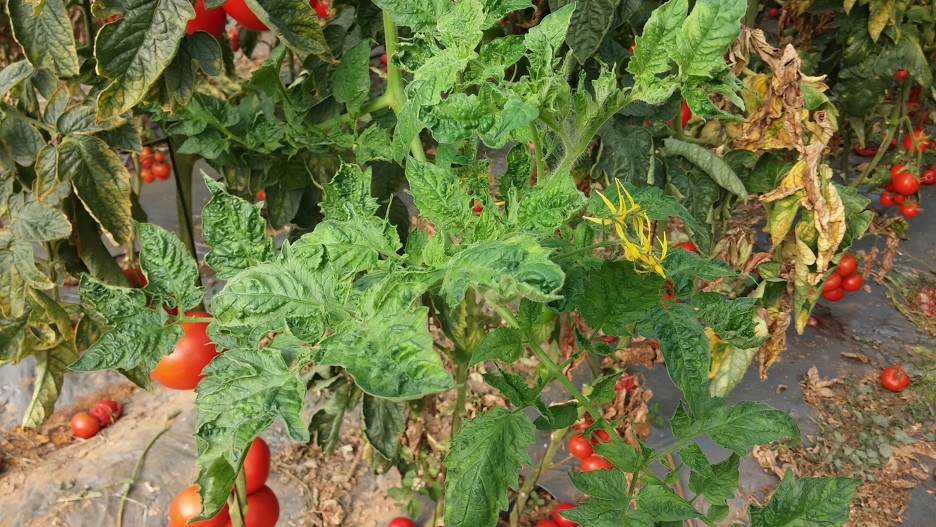
In the leaves – a mosaic appears, which is particularly noticeable on young leaves and at the growth vertices. In some cases, there is narrowing of the leaflet blade, and in certain cases the leaves become entirely threadlike (“shoestrings”).
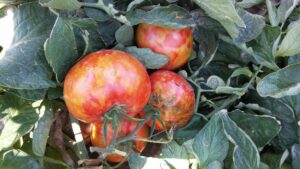
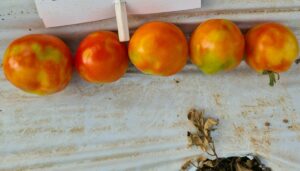
In the fruit – yellow spots develop which become necrotic at a later stage. In some cases, “chocolate spots” appear on the fruit. In cases of severe damage, the fruit becomes wrinkled and distorted. The virus name (“Brown Rugose Fruit”) was given due to the wrinkled appearance together with the brown spots.
Note that in contrast to the characteristic situation when affected by ToMV, in which symptoms generally appear in the fruit only in cases of particularly severe damage to the foliage, in the case of ToBRFV – there is no connection between the severity of damage to the fruit and severity of damage to the foliage: there are situations in which serious damage to the fruit is observed while no symptoms appear on the leaves, or vice versa – cases of severe symptoms in the foliage and lack of symptoms in the fruit.
In certain cases – necrosis develops of the calyx of the fruit, the fruit peduncle, and the central spine of the cluster of fruit.
When a susceptible variety is infected with ToBRFV, the main damage is a significant weakening of the plant and its capability to produce clusters of fruits over a long season.
In the wake of the viral infection, tomato cultivation in Israel has changed entirely: due to the weakening of the plants, growers currently have almost no possibility to grow tomatoes in a long central season of 9-10 months as was customary before the virus’s appearance; instead, shorter growing seasons of 4-5 months are now customary, intended for harvesting a few clusters only.
Symptoms on leaves – severe mosaic and narrowing of some of the leaf lobes, to the point of appearing “thready”
Severe symptoms in the fruits
Symptoms of necrosis in the calyx, fruit peduncle and the spine of the cluster
Weakening of the plant as a result of viral infection in a susceptible variety (on right) compared to a variety that is largely similar to it but is resistant to the virus (on left).
How is the disease transmitted?
ToBRFV is very easily transmitted mechanically – by human contact, by work tools, support wires, or any entity that comes in physical contact with an infected plant or soil that contains the virus and later comes in contact with healthy plants. It is important to remember that particles of this virus are particularly resistant to environmental conditions, and are capable of surviving for long periods in soil or on infected surfaces.
Since the virus is capable of surviving in soil for a long period – the virus is also transferred with infected soil that is moved from one place to another (by sticking to shoes, to work tools that are moved from one plot to another, etc.).
The virus is transmitted in seeds – a seed produced from an infected plant is likely to carry virus particles on its surface.
The virus can also be transmitted by bumble bees, which serve to pollinate during the cultivation process.
Prevention and treatment
Since the outbreak of the disease, Hazera together with Limagrain Group have been working on a comprehensive study of the issue, in which tomato varieties with intermediate levels of resistance to the virus were developed. The first patent in the world for resistance to ToBRFV was registered by Limagrain in 2017. Using these varieties provides an optimal solution for growing tomatoes in conditions of infections with ToBRFV, while maintaining the varieties performance.
Observing phytosanitary rules is key to preventing the disease:
Making sure to have clean clothes, jackets and gloves for those entering the greenhouses.
Making sure to sterilize all equipment used.
Sterilizing shoes in an immersion pit upon entrance to the greenhouse.
Being strict about the order in which buildings are entered – the workday begins with the buildings housing the young, healthy plants and continues to the buildings housing the more mature plants.
Plants in which infection is discovered should be immediately removed from the greenhouse, being careful to avoid contact with neighboring plants.
Using healthy seeds and seedlings is another key to preventing the disease. Hazera is strict about performing health tests in licensed laboratories, according to international standards and the Plant Protection Services. Checking that seeds are free of ToBRFV is done by the ISHI Protocol, which is the international protocol accepted throughout the world.
Being strict about good sanitization – sterilizing the soil or growth medium and the greenhouse space when cultivation is completed.
Wide range of newest tomato varieties in our demo greenhouse
Posted on Mar 31, 2022
Our dedicated High Tech tomato team started the preparations for our tomato demo at the Delphy Improvement Center in Bleiswijk.
The team, consisting of motivated colleagues from R&D to Commercial and Marketing planted a wide range of our newest hybrids in our screening and demo greenhouse. In this demo all important segments of the tomato category are present, like large loose, truss (large & medium) and Cherry (round & plum).
Partnerships During the season our team is monitoring the new tomato varieties very closely. Based upon all obtained insights and knowledge the best performing varieties, this can be on e.g. taste or yield, are selected. The information that we gather during the season is used to support and inform our partners all along the tomato value chain. Because together we grow the tomatoes of the future.
Highlights Over the last years Hazera has worked passionately to develop tasty tomatoes with benefits for the full produce chain. We are convinced that this year, again, we have a compartment full of exciting new varieties. This year we decided to expand our ‘high taste’ acreage in our greenhouse by 20%.
On display you will also find some highlights that are monitored for several years and which we are thrilled about. We are happy to present you the following great tasting varieties:
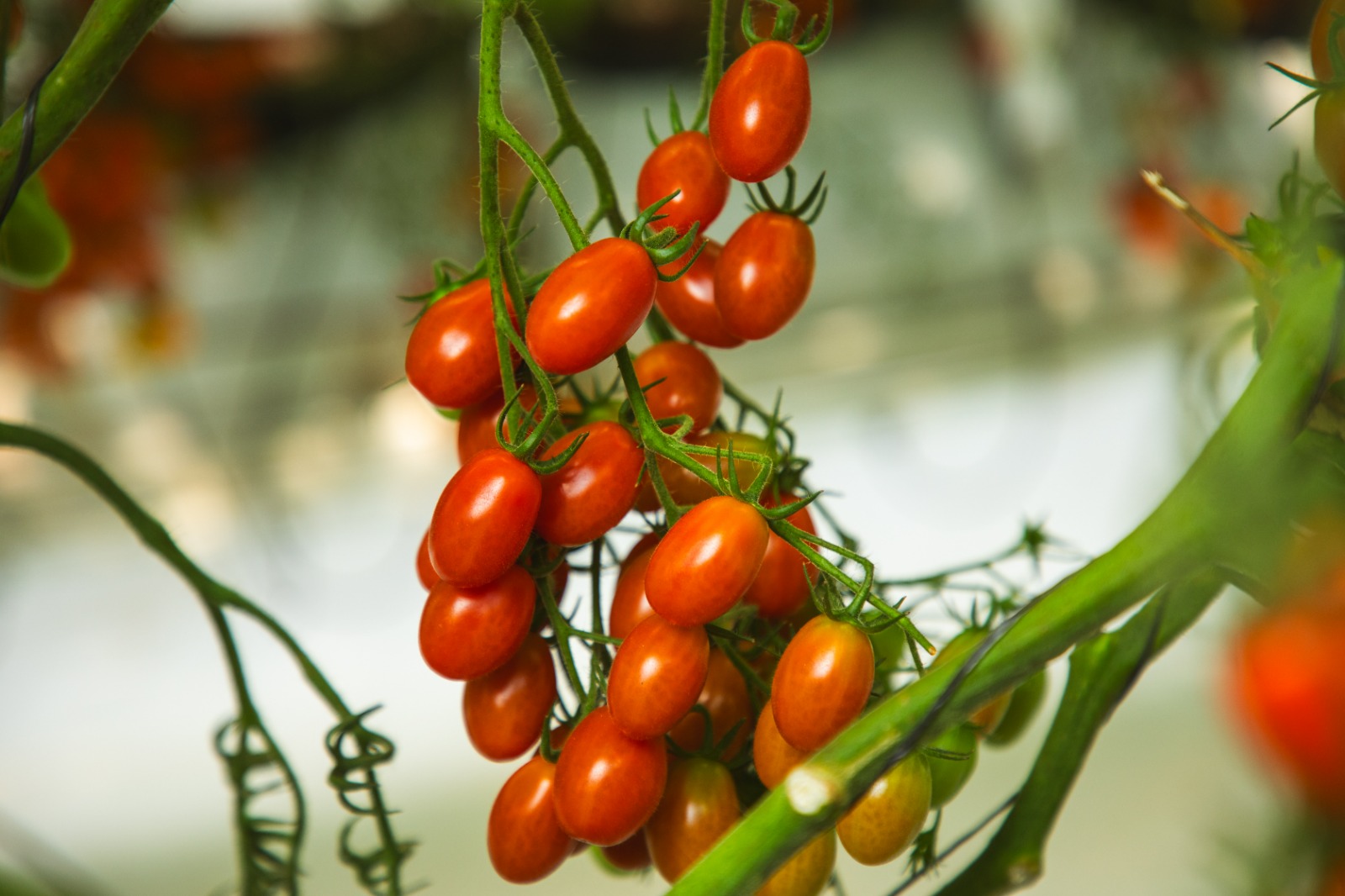
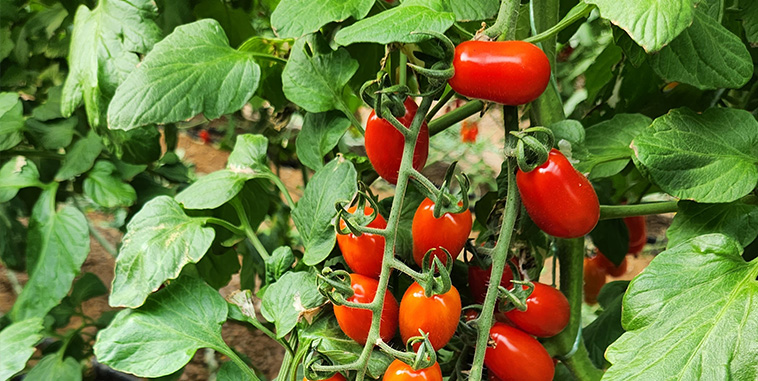
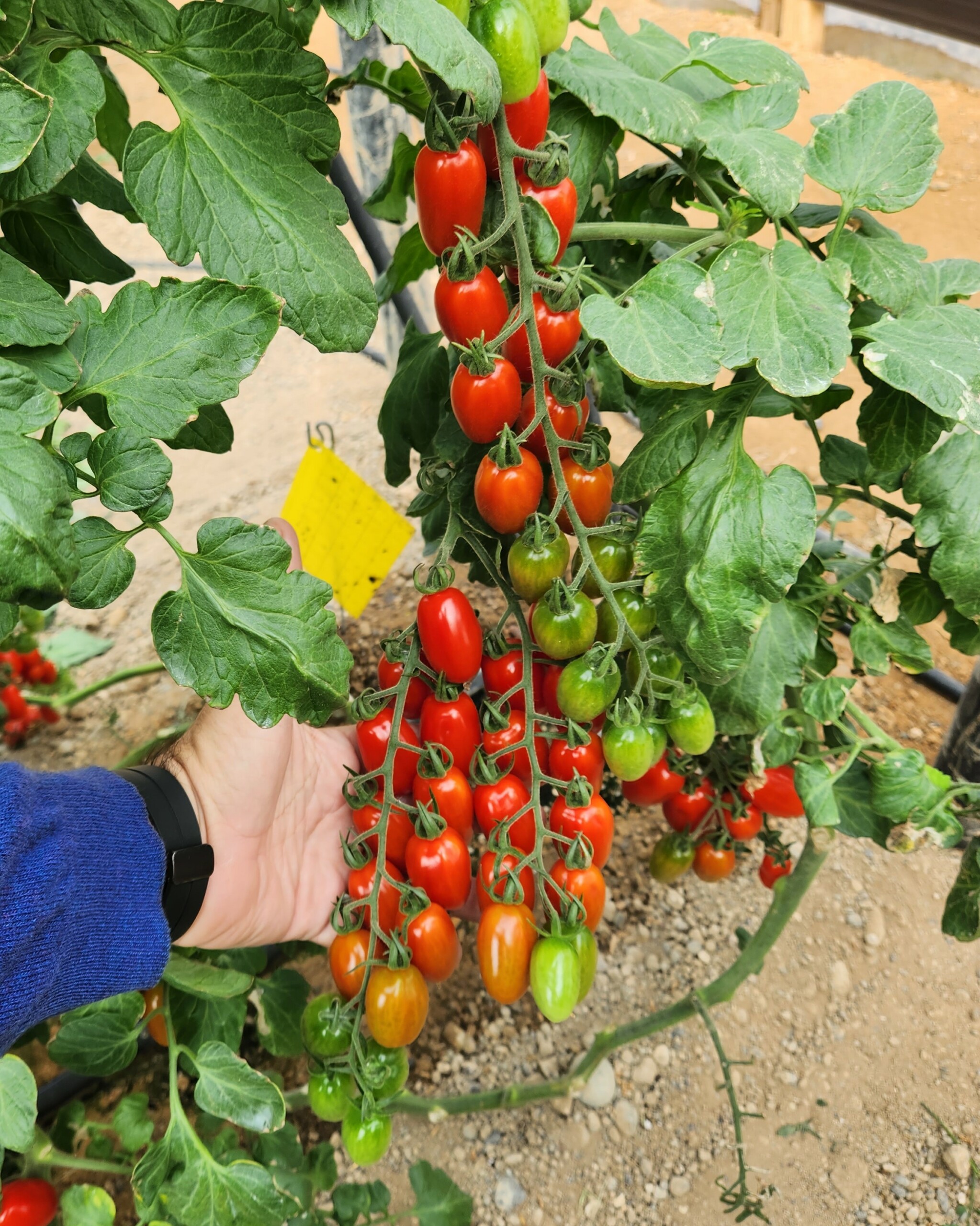
Camelot Camelot is a cherry plum variety (12-15 gr) which is very succesfull in Spain and Morocco.
This variety is the only variety which ripens to full red on the plant. In our HT demo we are doing agronomy trials to adapt for the High-Tech segment. Camelot has a high yield potential and has an excellent post-harvest quality, even up to 20 days and has very low waste percentages. The flavour, shape and colors are comparable with the benchmark in this segment.
Sensera A medium, great tasting, truss variety with an average weight of 95-110 grams.
The Sensera truss is best presented as a 6-pack and has a perfect on the shelve performance because of the firm green part which can also act as a natural handle. In consumer evaluations this variety scores very high on perceived freshness and buying intent. Even after 8 – 10 days.
Goutine
This large specialty tomato is known for its stunning and vintage taste experience.
The variety has an average fruit weight of 90-120 grams and is grown (and already famous) in multiple places around Europe.
Summersun Summersun is known to be the best tasting yellow cherry tomato in the market and has an average fruit weight of 10-12 grams. This tomato has a big entourage of enthusiasticpartners along the chain; the tomato thatputs a smile on the consumers face.
Curious? Curious about our varieties? Or other solutions we can offer?
Your invited to meet the team in our taste experience center @Delphy Improvement Center in Bleiswijk. In our mini supermarket you can taste the highlights and we can discuss our full program. Data performance is available.
Only togethergood tasting tomatoes and on-the–shelve concepts can grow into lasting partnerships.
We are happy to contact you for an appointment from April onwards. If you can’t wait, please contact our team.
The Perfect Snack Tomatoes? It’s All About Adjusting the Timing
Posted on Feb 01, 2022
An interview with: Arjan van Steekelenburg, Produce Chain Manager / Trade and Retail Account Manager
Juan Jeronimo Montes, Product Development Specialist, Hazera España
Adults and children everywhere are opting more and more for new varieties of fresh produce that don’t require any special effort or preparation. In response to this global trend in healthy veggie snacking, Hazera, a global leader in the seed industry and tomatoes in particular, has developed the Camelot Tomato—a real “Tada” product that changes the game for the whole supply chain.
The Camelot is just like the legendary castle it was named after, a place of harmony and a stronghold. Its unique taste, flawless appearance, sweetness, and extraordinarily long shelf life make it worthy of its noble title.
For about 15 years, growers have been harvesting tomatoes while still green, and letting them ripen and redden during transportation. In this case, however, Arjan van Steekelenburg explained to us that: “Unlike most tomatoes of this kind, the Camelot should not be harvested too early. In order for it to reach full potential, growers must let it ripen on the vine, and pick it only once it has reached its unique shade of red. Nobody can manage the ripening process better than the plant itself. You just need to get the timing right for great results. From the moment the tomatoes are harvested, as they move along the entire supply chain and up to the consumer’s table… or often lunchbox nowadays, they will keep fresh and tasty for up to 20 days.”
And that is an amazing figure by any standards. Growers will fully reap the benefits once they make this shift in their minds. Not only them, but the entire supply chain will be optimized, because from the time they get on the retail shelf, Camelot tomatoes still have between 7-12 days of freshness left. As consumers, we can buy a larger weekly supply for our homes, knowing that if not on this weekend, we can still enjoy them the next one. Chances of that are slim though, because after tasting them, we don’t think anyone can resist eating them for so many days:)
The best part is that everyone gets to benefit from these advantages: growers, distributors, retailers, grocery shoppers, and whoever else consumes food at home.
Juan Jeronimo MONTES says: “We believe Camelot tomatoes represent a revolution in the sector for other reasons too. Even in regions with varying climates like Morocco and Spain, they can be grown and harvested all year round, throughout the seasons. These are highly productive plants that make for very profitable business, while consumers get more value for their money. Our team works closely with growers and distributors in these countries, providing advice, technical support, and assistance, regardless of location, growing method, or external conditions.”
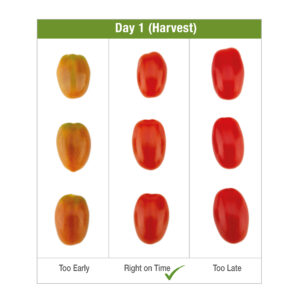
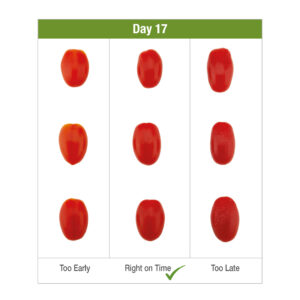
Growers are tempted out of habit to harvest tomatoes green. These pictures illustrate how the fruit develops within 17 days, depending on the stage it was at when harvested:
Day 1 (Harvest)
Too Early
Right on Time
Too Late
Day 17
Too Early
Right on Time
Too Late
It is clear that when Camelot tomatoes are harvested at the right time, red and ripe as shown on the middle column, they remain fresh and with great taste, brix, and no cracking on day 17!
Who Stands Behind the Camelot tomato?
Hazera, part of the French Limagrain Group, has decades of experience with state-of-the-art technology in breeding, developing, producing and marketing varieties and seeds in a wide range of vegetable crops around the world.
The company is headquartered in Israel and The Netherlands, with subsidiaries in twelve countries, and an extensive distribution and technical support network serving over 100 additional markets. This enables the team to anticipate and respond to local needs by creating varieties that fit specific climates, growing conditions, and market requirements.
Curious which radish varieties are the most suitable for pre-packing and processing use? Watch it here…
Posted on Jan 25, 2022
Curious which radish varieties are the most suitable for pre-packing and processing use ? In this video we showcase our main varieties and highlight the best varieties for growing in the UK.
Primed seeds: the next step in top quality onion growing
Posted on Jan 25, 2022
Hazera has been developing and selling primed onion seeds since 2009. This experience translates into the market as the share of primed seeds is increasing. Many growers are discovering the benefits. Primed seeds can ensure faster crop development after sowing, more uniformity in the crop and final product and better quality onions. That is why it is also interesting for you.
New watermelon varieties offering solutions for the chain
Posted on Jan 25, 2022
In recent years we have witnessed various trends in the consumption of vegetables and fruits.
One of the most notable trends is in the watermelon category.
In European supermarkets, the sales of snack tomatoes are increasing rapidly by approx. 20% per year. In The Netherlands, snack tomatoes have a market share of nearly 38%. “At Hazera we are constantly looking for solutions to tackle the challenges of the supply chain”, says Produce Chain and Business Development Manager, Arjan van Steekelenburg. “We are looking at what’s lacking in the market in order to jump into that space”.
Hazera’s Official Training Video: Tomato Brown Rugose Fruit Virus (ToBRFV)
Posted on Aug 30, 2021
We are happy to present Hazera’s training video and sanitation guide for dealing with the new ToBRFV virus.
The purpose of this video is to assist growers and farmers to gain a better understanding of the ToBRFV virus, and to share some practical advice and active measures for eradicating the growth of this virus through the use of stringent hygiene and highly effective sanitation. (more…)










 Camelot